
Architectural Products
Architectural Copper
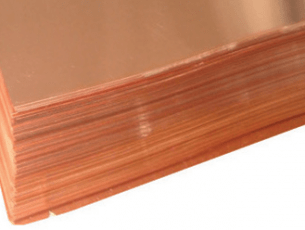
Architectural copper is copper sheet and coil used for roofing, cladding, and other exterior building applications, prized for developing a protective blue-green patina over time. Wieland-Wrisco has supplied metal products since 1916, and copper is one of the oldest architectural metals in use, found on structures from the ancient Parthenon to the Statue of Liberty.
How long does a copper roof last?
With regular maintenance, a copper roof can last upwards of 50 years. Copper resists weather and other environmental factors on its own, without needing paint or an additional finish, and it’s significantly lighter than lead or tiled roofing, which reduces the structural load on the building.
Why does copper turn green?
Copper starts out with a shiny reddish-brown appearance and oxidizes over time, first darkening before developing its final blue-green patina, most famously visible on the Statue of Liberty. That patina isn’t just cosmetic: it protects the copper underneath from further oxidation.
Is architectural copper sustainable?
Yes. Copper is 100% renewable and can be recycled repeatedly without losing its properties. Since 1900, 75% of all copper ever used has been recycled and reused.
| Product | Detail |
|---|---|
| Copper Roofing Sheet | Gauges 12oz (.016″) to 48oz (.063″); also Lead Coated Copper and Freedom Gray tin-zinc copper |
| Copper Roofing Coil | Gauges 12oz (.016″) to 48oz (.063″); soft flashing rolls, roll-forming coil, gutter coil |
| Related products | Copper nails, solder bar, architectural zinc, architectural bronze, Muntz sheet |
Frequently Asked Questions
What gauges does architectural copper come in?
Both copper roofing sheet and coil are available from 12oz (.016″) up to 48oz (.063″).
Does Wieland-Wrisco carry gutter-specific copper coil?
Yes, gutter coil is one of the coil products offered alongside soft flashing rolls and roll-forming coil.
Is copper heavier than a standard roof?
No, architectural copper is lightweight compared to lead or tiled roofing, which puts less stress on the building’s structure.
What related metal products does Wieland-Wrisco carry?
Copper nails, solder bar, architectural zinc, architectural bronze, and Muntz sheet are all available alongside the copper sheet and coil line.