All posts by Brandon Cordoves

Why You Need To Use Stainless Steel For Your Next Project

High-quality Stainless steel is one of the best options for your next project. With its various benefits and capabilities, it more than offsets the initial investment. Stainless steel is a material that can and will provide unmatched value throughout its lifespan and during the duration of your project. If you’re considering materials for your next project, you need to make it stainless steel.

First Thing’s First: What Exactly Is Stainless Steel?

Stainless steel is an alloy of iron that has roughly 11% of chromium. The chromium prevents the iron from rusting by producing a very thin oxide layer on the surface. It also makes the steel heat-resistant and corrosion resistant, making it a great option for exterior applications. In addition, high-quality stainless steel comes with various advantages you wouldn’t find with other materials. These include:

Unmatched Durability

Mentioned previously, stainless steel offers tremendous durability when compared against other available materials. It offers remarkable impact resistance, making it perfect for exterior applications where it may be directly exposed to the elements.

In addition, stainless steel’s resistances make it hold up where other materials would fail. One of its key advantages, stainless steel’s ability to withstand rusting through its corrosion resistance makes it perfect for long-term applications. Furthermore, high-quality stainless steel is capable of holding up against high temperatures for prolonged periods of time.

Viable For Various Applications

Stainless steel can be shaped, cut, molded, and welded to match the requirements and specifications of your project. Stainless steel’s flexibility in the fabrication process makes it a great option for those looking to cut down on turnaround times and improve overall project efficiency. Thus, you can turn your attention towards other aspects of your project so you can ensure seamless completion.

Low Maintenance

Stainless steel’s long term value truly outweighs its initial cost. It’s very low maintenance and can last a lifetime, as long as the thin chromium oxide layer is regularly cleaned and monitored, it should sustain itself for decades to come. During the fabrication process, any weld points should be free from discoloration and contamination.

High-Quality Stainless steel is ideal for applications that require hygienic environments as it’s very easy to clean. Watch as foreign substances wash away with ease. Ideal applications include hospitals, clinics, commercial kitchens, and pharmaceutical research labs.

Need High-Quality Stainless Steel? Trust Wieland-Wrisco!

Since 1916, Wieland-Wrisco has been the leading supplier of high-quality products including our stainless steel. If you’re looking for high-quality products you can count on time and time again for your projects, look no further than Wieland-Wrisco. To receive a free quote, contact us today!
How Does Aluminum Make A Difference For The Environment?

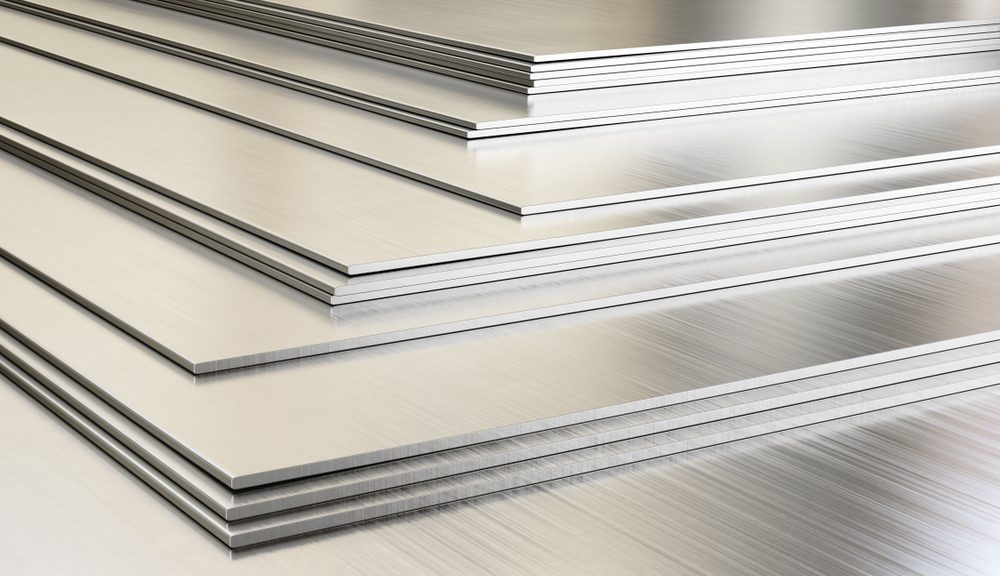
The most abundant material available in the Earth’s crust, aluminum has made a name for itself by being one of the most sustainable materials available on the planet. But how does aluminum make such a difference for the environment in its various forms and applications versus other materials? Key factors including its long lifespan, lightweight construction, and recyclability help it stand out from the rest of the building materials available on the market.

Aluminum’s Keys To Sustainability

It’s Longevity

Aluminum has made a name for itself by being a highly durable material, capable of withstanding the elements no matter the application. With a lifespan of over 40 years as a building material, it can be used without fear of failure for literal decades. Other materials require repairs and maintenance after only a few years, where you won’t have to worry about aluminum for quite some time. Once it’s reached the end of its long lifespan, it can be recycled and reused yet again!

It’s Lightweight Construction

One of the major benefits of aluminum is its lightweight construction. No matter in the form of aluminum sheets or cans, aluminum’s construction makes it much cheaper to transport. Weighing 65% less than steel and housing many of the same core aspects that has made steel so popular. You’re able to transport far more aluminum products to a job site than you can with steel or other materials for the same cost, making it a tremendously cost effective product, especially when factoring in the environmental effects these transports have on.

It’s Recyclability

Did you know that nearly 70% of all aluminum ever produced is still in effect today? Aluminum is 100% recyclable and can continuously be reused and recycled unless significantly damaged. This allows for less aluminum to be sourced, and in doing so reduces the need for large machinery to extract it from Earth’s surface. This reduces the sheer amount of greenhouse gasses these processes created. What was once aluminum sheeting used for a skyscraper’s facade could be recycled into car parts or even the cans we use to drink soda from.

Why Should I Switch To Aluminum For My Project?

Aluminum is making a name for itself as one of, if not the most, sustainable building material on the planet. Aluminum’s low weight means you can not only do much more with less, but that it weighs substantially less while still offering the same level of strength and durability as materials such as steel. Additionally, since 2005 the U.S. aluminum industry has reduced greenhouse gas emissions by 59%.

If you’re interested in utilizing aluminum for your next project, simply contact Wieland-Wrisco. As the leading manufacturer and supplier of aluminum sheeting and aluminum coil, we’re able to supply your next project with high quality aluminum materials. Simply contact us today online and we’ll be more than happy to assist!

Does Copper Rust?

Whether you’re an architect, builder, or contractor, you’ve likely looked into architectural copper for your next project. It’s a great material that offers a tremendous wealth of benefits, but there’s one outlier we find everyone asks first: “does copper rust?”. A serious concern for any diligent constructor, it’s important to know whether a core material is going to withstand the test of time, or wither away, as well as what it will look like in a few years time. 

First, What Exactly Is Rust?

Before we can even answer the question of whether or not architectural copper rusts, it’s important to first understand what rust is. Rusting is what occurs when iron or other metal alloys are exposed to oxygen, whether it be from air or by exposure to water. Rust produces an unsightly yellow, red, or brown when iron oxidizes. 

With that said, not all metal oxidation creates rust, as rust is unique to iron and iron alloys only. Other metals undergo the same oxidation process, but it leads to corrosion, rather than rust. Thus, copper does not rust!

So Then What Is Corrosion?

Rust is simply a form of corrosion that’s unique to iron and iron alloys. So then what does it look like on architectural copper? As copper oxidizes, rather than receiving the reddish brown hues, architectural copper will become a stunning blue-green color known as patina following oxidation. 

What Can Accelerate Copper Corrosion?

Copper and copper alloys will naturally corrode over time when exposed to the atmosphere, however some key elements that may accelerate copper corrosion include:

  • Heat
  • Seawater & Rain
  • Acidic Compounds

Copper will first tarnish into a darker color before settling on the patina color. 

Is Corrosion Bad For Architectural Copper?

Whereas rust will significantly impact iron and iron alloys’ utility, copper oxidizing actually has some unique benefits. Not only does it enjoy the aesthetic benefits of the patina, but oxidized copper will actually protect it from further exposure to oxygen, stopping corrosion from occurring further. 

Interested in learning more about architectural copper for your next project? No worries! Contact Wieland-Wrisco today to discover how we can assist in supplying your next project.

What Are The Benefits of Stainless Steel?

Used throughout a multitude of applications, stainless steel has been a popular choice for builders across the country—and for good reason! Stainless steel offers builders a wealth of benefits all combining together to create not only allows for stunning design applications, but one that exceeds functionality expectations. Stainless steel remains an incredibly versatile building material while staying inexpensive compared to other options. If you’ve been considering using stainless steel for your next project, consider the following benefits!

Cleanliness

Stainless steel is actually incredibly easy to clean and sanitize, allowing you to easily wash away any dirt, grime, and bacteria effortlessly when cleaned down. Its low maintenance requirements make it an ideal choice for application in areas such as hospitals and clinics that require easy to clean surfaces.

Corrosion Resistance

One of its most well-known benefits, stainless steel has a very high resistance to corrosion. Originally advertised as a “rustless steel”, the inclusion of chromium made it highly resistant to corroding in any environment. Only under certain conditions (exposure to cleaners, chloride, high humidity, high salinity environments, and/or mechanical abrasions) will stainless steel show signs of rusting, however in most other cases the chromium oxide layer protects the steel and is able to repair itself fast enough to avoid the metal rusting.

Aesthetically Pleasing

One of the key reasons people elect for stainless steel on their projects is that it’s simply beautiful! Whether used as accent notes throughout a home, or as wall cladding for an office building’s exterior, stainless steel is simply great to look at. If you’re looking for a building material that’s guaranteed to turn heads, look no further than stainless steel.

Durability

Stainless steel is remarkably tough, thanks to its high impact resistance due to low brittleness in both high and low temperatures. This means that stainless steel will keep its shape no matter the environment it’s dropped in. In addition, at its melting point stainless steel can be molded, welded, and fabricated to fit your specifications as needed.

Sustainability

Stainless steel is actually a sustainable building material, typically constructed from 70% scrap metal. From there, stainless steel is 100% recyclable, ready to be used yet again for another project. Stainless steel will continue its cycle of usability long after it’s removed from your project.

Stainless steel is an unbelievable building material that only positively impacts your project, and Wieland-Wrisco is here to supply you with the highest quality stainless steel! We offer 24GA & 26GA Stainless Steel Sheet & Coil in both 2B & 2D finishes. For other gauges and finishes, contact us today online so we can properly assist you!

Architectural Copper Applications

Over the last few years, we’ve seen a substantial increase in the use of copper being used for architectural applications across the country. A material that dates back hundreds of years, it’s quickly becoming very popular yet again. Copper has always been an integral part of architecture, from the ancient Egyptian temple doors to European medieval designs. Most notably in American culture is that which was built using 80 tons worth or copper sheet-the Statue Of Liberty! This metal proved so easily manipulable by humans through pounding and cutting with hammers producing thicknesses equivalent two US pennies placed together at their finest point.

We still rely on copper for its ability to be easily stretched, molded and shaped. This is why it’s used in a wide variety of applications today such as wiring or pipes that need an aesthetically pleasing finish with low maintenance characteristics – something not all metals can provide! Today, we find architectural copper being used in a variety of applications, including:

Architectural Applications:

Roofing

When it comes to roofing, the durability of copper is unparalleled. Not only does this metal withstand fire, hail and mildew with ease but can also last up to 50 years or more in regular care! Copper roofs are an efficient way to keep your home cool and light. They also have many other benefits, such as being incredibly lightweight in comparison with heavier metals such as lead and steel that can significantly weigh buildings down or require expensive support structures.

Wall Cladding

Copper wall cladding is not only beautiful, but it also offers an excellent solution for architects in need of protection from the elements. It can be used on exterior surfaces such as building exteriors or roofs with varying levels requirements including those that require more durability than other materials might provide without sacrificing aesthetics.

Fueling increased interest among designers has been this new availability—copper sheets offer stylish yet functional solutions tailored specifically to each project’s specific needs! Architectural copper is work-ready, capable of being shaped to fit your specifications immediately.

Interior Accents

Copper has been used to create a luxurious feeling in public spaces like hotels and restaurants. The rich tones of this building material can be found aesthetically enhancing interior design elements such as walls, ceiling fixtures, furniture, and hardware with its warmth, tranquility, and calmness. In addition, copper has natural, intrinsic antimicrobial properties against a variety of disease, viruses, and bacteria. This makes it ideal for things such as handrails where multiple hands have to touch it every single day.

Architectural copper is surely to grow in popularity as the years go on—make sure you’re ahead of the trend with Wieland-Wrisco! Wieland-Wrisco proudly offers its architectural copper products throughout the United States. You can learn more about our copper roofing sheet, copper roofing coil, and other architectural copper products today, simply contact us today!

Which Metals Won’t Corrode or Rust?

When you’re looking for a metal material for any particular project, it’s critical that you find one that’s both rust resistant and corrosive resistant. Some materials, like iron, start the countdown to being covered in rust the moment you expose it to any oxygen source. While a key resource in human history’s development, there are other materials that tend to be much better suited for the elements thanks to their natural corrosion and rust resistance. 


Stainless Steel

While an alloy of iron, stainless steel is also made of a high amount of chromium. Chromium in some cases makes up nearly 20% of stainless steel. Due to its highly reactive nature, the chromium oxidizes very quickly, creating a protective layer of chromium oxide that resists corrosion, while also blocking oxygen from reaching the steel layer. Additional materials such as Nickel, only add to its resistance to rusting. 


Galvanized Steel

Galvanized steel is a carbon steel that’s been coated with a layer of zinc. This zinc acts as a barrier between the steel and the elements. With that said, this zinc barrier will eventually wear down over time (a very long time). With that said, zinc is highly reactive to oxygen, creating a barrier between the iron in steel and the elements.


Aluminum

Aluminum is much lighter than other traditional metals, but make no mistake: aluminum is just as strong if not stronger. There’s absolutely no iron present in aluminum, meaning it can’t rust. However, when aluminum is exposed to an electrical current run through water, aluminum’s top layer will oxidize, creating a tough, durable exterior while keeping aluminum’s lightweight properties. 


Copper

Copper contains little iron, however it will react when exposed to oxygen. Copper oxide creates a green layer, much like the one seen covering the Statue of Liberty. Once light brown when it was first brought over to America, years of exposure to oxygen has turned the Statue of Liberty entirely green.


Bronze

Bronze is an alloy of copper and tin, meaning it inherits the same properties and resistances as copper mentioned above. With that said, bronze is much more corrosion resistant than just copper alone, thanks to the tin included in the alloy. 


So, Which Metal Is The Best?

These metal options are all ideal for any exterior facades, however stainless steel and aluminum stand supreme. Their propensity for being highly corrosion resistant and rust resistant make them ideal for facing the elements head on. Thankfully, Wrisco is your source for aluminum and stainless steel sheets for any project. Contact us today to learn more how we can help supply your next project!

Anodized Aluminum FAQs

As one of the leading manufacturers and distributors of anodized aluminum sheeting in the country, we receive a number of questions regarding our sheets each day. We strive to answer your questions as best as possible, which is why we’ve compiled a list of some of our most commonly asked questions to better assist you! 

What Exactly Is Anodized Aluminum?

Anodized aluminum is aluminum sheeting that has gone through the anodizing process, which is an electrochemical process that converts the metal surface into a decorative, durable, corrosion-resistant, anodic oxide finish. The aluminum sheet is dipped into an acid electrolyte bath and an electrical current is passed through the bath. As the electricity passes through the bath, the oxygen ions are released from the electrolyte to combine with the atoms of the aluminum. This creates an aluminum with a tough outer layer while still maintaining the benefits of aluminum. 

What Applications Can Anodized Aluminum Sheeting Be Used For?

Anodized aluminum sheeting is incredibly flexible, allowing it to be used throughout a variety of applications. Some of the most common ones we see being used for include:

  • Building facades
  • Storefronts
  • Boating
  • Motor Vehicle components
  • Food Preparation Equipment
  • Vents, Awnings, Duct Covers, Storm Doors
  • Interior Decoration

Are Anodized Aluminum Sheets As Strong As Steel?

While steel is commonly considered to be far stronger than anodized aluminum, anodized aluminum is actually an incredible durable material. The anodized layer is three times stronger than the base layer of the aluminum sheet. Additionally, because of the oxidation that occurs during the anodizing process, anodized aluminum can never rust.

How Sustainable Is Anodized Aluminum?

Anodized aluminum is an incredibly sustainable material! The most abundant material in the Earth’s crust, aluminum is 100% recyclable and reusable — meaning that when it reaches the end of its life, it can be completely reused for another project. 

I Have A Custom Project And Need A Specific Color, Do You Offer It?

Yes! While we have our standard color options (which you can find here), anodized aluminum can be colored to any custom color in the visible light spectrum. Additionally, it can be fabricated in a brake, roll-formed, stamped, laser engraved, laminated, perforated, welded, embossed and silk screened for whatever your needs may be. The anodizing process guarantees consistent color throughout all of the sheets for your project, so you never have to worry about some of your panels being slightly off.  

Have any other questions about our anodized aluminum sheets? Contact Wrisco today!

Aluminum VS Steel: Which Is Better?

You’ve probably asked yourself this at some point in your life, especially when taking on a construction or renovative project. Which of the two is better between steel and aluminum, and what variables are there to consider when choosing either? Both materials have their pros and cons that outweigh each other but it’s important to recognize which of the two is best for the job depending on what you plan to do with either. Wrisco is here to explain which is better for your next construction or renovation project in this post from our blog. 

Cost

The cost of both metals is always fluctuating due to global supply and demand and so the steel can usually end up being more pricey than aluminum or vice versa. But, in most cases, steel costs much less than aluminum. However, most forms of steel, such as stainless steel, are pricier and aluminum will likely end up as a cheaper option.

Strength

In terms of strength, there is no definitive answer as to which of the two is stronger. Most will say that steel is typically a stronger material due to its concentrated carbon and aluminum’s lack of density. But it’s also important to keep in mind that aluminum is lighter in weight. So you must keep in mind the strength-to-weight ratio when deciding between the two. However, if you were to decide in protection against hurricanes, as an example, aluminum has proven to be much more effective due to its lightweight versatility. Aluminum allows for easy setup when putting up panels on your home and can easily disallow impact from damaging your home. Aluminum can also get much stronger and denser when it becomes cold.

Malleability

There’s no debate as to which is more malleable. Aluminum beats steel in this area by a landslide. Due to it being much less dense than steel, aluminum is able to be formed into whatever you desire when in contact with high temperatures. It is also very ductile so it can be stretched without breaking. Because of Steel’s immense carbon density, its malleability is only possible by the application of intense heat.

Corrosion Resistance 

Aluminum is resistant to most corrosion and does not rust as opposed to steel. After Aluminum has been extruded, no treatment is needed to further increase its resistance to corrosion or rust. Aluminum is also further protected by its naturally occurring oxide film. Steel requires a coating of paint or other treatment to protect it from rust or corrosion. Such treatment is especially imperative if the steel will be placed in an outside environment where it will often come into contact with natural forces.

CHOOSE WRISCO TO BE YOUR METAL PROVIDER

Wrisco has over 100 years of industry experience and has catered to multiple clients across the USA. They have establishments in Atlanta, Chicago, Edison, Dallas, and, Florida.


All About Wrisco’s Endurex Products

Wrisco’s Endurex exterior architectural products provide a substitution to glass for a window frame, curtain-wall, or storefront. The purpose of this is to extend the life of a building while also giving off the appearance of a glass panel. These metal panels are more durable than glass and can easily match the design of a building with the different finishing options.

What Is Endurex Made From

The Endurex product is composed of a stabilizer positioned between two sheets of aluminum. There are many options for the type of aluminum, core, and appearance of the finish to allow flexibility for any architectural design. These components offer great fire and moisture resistance

The stabilizer core is a solid thermoplastic that will stay dry and firm against harsh weather conditions. A composite stabilizer can also be formed for extra resistant properties, making it the ideal choice for all glazing and storefront applications.

Why Choose Endurex Over Traditional Glazing

The Endurex exterior architectural products are not just a durable product. They are extremely usable for construction projects because of their ability to be cut in sizes appropriate for the space provided. Polyester paint finishes can also match all standard door and window designs.

The installation of Endurex is very simple because the panels are not as fragile as glass although they can be scratched. Once installed they require almost no maintenance and can be cleaned easily with a spray on detergent if necessary. This is perfect for buildings that want an appearance of glass but don’t necessarily want the functionality of glass or the responsibility of maintaining it.

Wrisco offers a wide range of options to the composition of the stabilizer core and the color of the finished metal. This assures the best possible solution and longest lasting panel for a building, storefront or curtain wall. If this exterior architectural product fits the design demands of your property, consider contacting Wrisco. We are an aluminum coiling manufacturer with many other products for construction. Call us at 561-626-5700 to learn more or order now.

Why Use Colored Aluminum?

The color of aluminum is a large concern in the construction industry. Whether for an outdoor park bench or an art presentation, colored aluminum is necessary to get the right look for the setting. Aluminum oxide is extremely strong and effective against weathering, and the process of anodizing aluminum allows coloring the metal with dyes that won’t flake or peel due to the electrochemical bonding process. Getting the right look also means doing so consistently throughout the project even while consuming many lengths of colored aluminum sheet metal.
 

Color Consistency Is the Main Concern of Aluminum Dying

Uniformity is historically one of the more common themes of building and construction. Some of the things that can influence the look of a metal are color, gloss, texture, and angle. These all add up to create a specific look. If they have all been done in the same way, they will look the same.
 
Texture includes grain which can appear to be a pattern on the surface of the aluminum. Because textures can vary widely from the same source, they pose an issue to consistency. Keeping a texture the same throughout will require the same machine to process the aluminum.
 
The coloring of metals will yield different results when the same dye is used on different metals. Color consistency is difficult to achieve with alloys and different qualities of aluminum. Purchasing anodizing quality aluminum ensures the same consistency of color in the aluminum all throughout. Anodized aluminum is unaffected by ultraviolet rays and allows the color to remain consistent even when different parts of a building receive varying amounts of sunlight.
 

Controlling the Color of Aluminum with External Factors

Different presses and mills can also have different effects on the metal. Wrisco can produce an identical color of aluminum for all of our sheet metal by processing our aluminum under identical conditions with a specific recipe of alloy and a singular high volume press. Though this is not always possible, a sample can be taken from one anodizing machine and used as a template for the other.
 
During the dying process, saturating the metal will also minimize the difference in color due to the precise miscalculations. The point at which a metal becomes saturated means it can’t take any more dye, so adding excess dye won’t change the color. This way every piece of saturated metal will have the same look. This also adds more resistance to the metal to keep the surface from wearing away and dulling the color or changing the texture. Angle also matters for installation. The color will change with a different reflection of light, so imitating a glass formation during construction will reduce this problem.
 
If color consistency is not necessary, a color range is nice. Wrisco offers many different colors to choose from when aluminum is needed for any project. Our prefinished colors will create a uniform look that expresses the theme or tone of the structure. Call us now at 800-627-2646 for more information.