
All posts by Brandon Cordoves

The Benefits of Using Aluminum In Aerospace Applications

Aluminum is a versatile and lightweight material that has been used extensively in the aerospace industry for decades. Its unique combination of strength, durability, and low weight make it an ideal material for a wide range of aerospace applications.

Low Weight

One of the primary benefits of using aluminum in aerospace applications is its low weight. Aluminum has a density that is about one-third that of steel, which makes it an excellent material for use in aircraft and spacecraft. By reducing weight, the use of aluminum in aerospace applications can increase fuel efficiency, reduce emissions, and extend the range of aircraft and spacecraft.

High Strength

Despite its low weight, aluminum is also incredibly strong. It has a high strength-to-weight ratio, meaning that it can withstand high stress and loads without deforming or breaking. This makes it ideal for use in the construction of aircraft and spacecraft, where strength is crucial for safety and performance.

Corrosion Resistance

Aluminum is also highly resistant to corrosion, making it an ideal material for use in aerospace applications. Unlike other metals, aluminum does not rust or corrode easily, which means that it can withstand exposure to harsh environments and corrosive substances without deteriorating. This makes it an excellent choice for use in aircraft and spacecraft components that are exposed to the elements or harsh chemicals.

Easy to Fabricate

Another benefit of using aluminum in aerospace applications is that it is easy to fabricate. Aluminum can be easily formed, welded, and machined, making it a versatile material that can be used to create complex shapes and designs. This ease of fabrication also makes aluminum a cost-effective material for use in aerospace applications.

Good Thermal Conductivity

Aluminum has excellent thermal conductivity, meaning that it can quickly transfer heat away from components. This makes it an ideal material for use in heat sinks and other components that need to dissipate heat quickly. It also makes it an excellent material for use in the construction of spacecraft, where temperature control is essential.

Recyclability

Aluminum is also highly recyclable, making it an environmentally friendly material for use in aerospace applications. By recycling aluminum, the aerospace industry can reduce its carbon footprint and conserve natural resources.

Aluminum as a building material offers a robust selection of benefits that engineers, architects, and builders in the aerospace sector are sure to take advantage of. If you’re in need of an aluminum sheet supplier you can rely on for your aerospace project or contract contact Wieland-Wrisco. For over 100 years, we’ve been the leading supplier of aluminum sheet and aluminum products across the country—and for good reason. If you’re interested in learning more, or looking for a quote, contact us today and our team will be more than happy to assist!

Contact Wieland-Wrisco

The Benefits Of Using Aluminum In Marine Applications

Aluminum is a versatile metal that is increasingly being used in marine applications. It has many benefits over other materials traditionally used in boat building, such as wood and steel.

Lightweight

One of the primary benefits of using aluminum in marine applications is its lightweight. Compared to steel and wood, aluminum has a much higher strength-to-weight ratio, making it an ideal material for constructing boats and other marine vessels. The lightweight nature of aluminum not only makes the boat easier to maneuver, but it also reduces fuel consumption, making it more cost-effective to operate.

Corrosion-Resistant

Another benefit of using aluminum in marine applications is its corrosion-resistant properties. Aluminum forms a thin layer of aluminum oxide on its surface when exposed to air, which protects the underlying metal from corrosion. This means that aluminum boats require less maintenance than those made from other materials, which can save boat owners time and money in the long run.

Durable

Aluminum is also an incredibly durable material that can withstand the harsh marine environment. It can withstand exposure to saltwater, UV rays, and extreme temperatures, making it an ideal material for boats and other marine applications. Additionally, aluminum boats are less prone to cracking and warping, which can be a problem with wooden boats.

Easy To Repair

If an aluminum boat does become damaged, it is relatively easy to repair. The damaged area can be cut out and replaced with a new piece of aluminum, and the boat can be back in the water in no time. This is not the case with wooden boats, which can be challenging and costly to repair.

Recyclable

Aluminum is a highly recyclable material, which means that it is an eco-friendly choice for boat building. It can be recycled repeatedly without losing its properties, making it a sustainable choice for marine applications.

Versatile

Aluminum is a highly versatile material that can be used for a wide range of marine applications, including hulls, decks, and superstructures. It can also be easily customized and shaped to meet specific design requirements, allowing boat builders to create unique and innovative designs.

Cost-Effective

While aluminum boats may have a higher upfront cost than those made from other materials, such as wood, they are more cost-effective in the long run. Due to their lightweight nature, aluminum boats require less fuel to operate, which can lead to significant cost savings over time. Additionally, the reduced maintenance requirements of aluminum boats can save boat owners money on repairs and upkeep.

There are many benefits to using aluminum in marine applications. Its lightweight, corrosion-resistant, and durable properties make it an ideal material for boat building, and its versatility and ease of repair make it a popular choice among boat builders. Additionally, its recyclability and cost-effectiveness make it a sustainable and economical choice for marine applications. If you’re interested in aluminum for your upcoming project, look no further than Wieland-Wrisco—the largest supplier of aluminum sheeting and aluminum projects. Our team is more than ready to assist with any questions you may have, while also providing you with a fair and direct estimate. With over 100 years in business, you can rely on Wieland-Wrisco for your aluminum needs.

What Makes Aluminum Ideal For Race Cars?

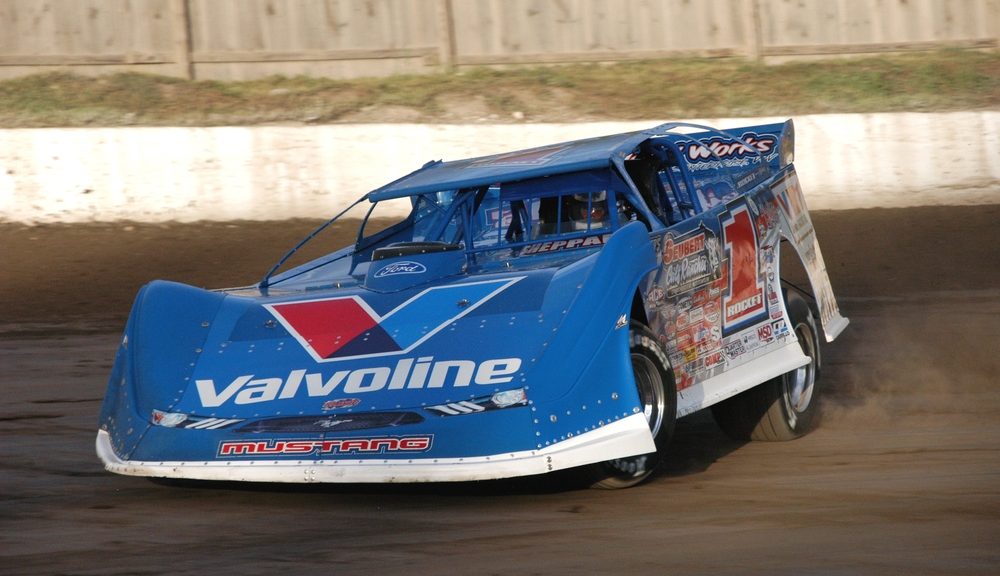
Since its rise to public popularity, race cars have relied on aluminum for their body construction. Aluminum is strong yet lightweight, making it the perfect metal for car construction. Aluminum’s deeply shared history with racing throughout various leagues, cups, and championships

Aluminum is Lightweight

One of the most important properties of aluminum is its lightweight. Every bit of weight counts in racing. The less weight a car has to carry around the track, the faster it will be able to go. Aluminum is much lighter than steel, so by switching to an aluminum chassis, manufacturers can noticeably improve their cars’ performance. A lighter car can also stop faster and turn more sharply than a heavier one. All of these factors give aluminum-bodied cars a competitive edge on the track.

Aluminum is Strong

One of the most important qualities in a race car is durability. After all, races are unpredictable events, and a small mistake can often lead to a big crash. Aluminum is an incredibly strong material, which means that it can withstand a lot of punishment. When an aluminum car does suffer damage, it’s also easier to repair than other materials.

Aluminum Acts as a Heat Sink

Another important property of aluminum is its ability to act as a heat sink. This means that it can dissipate heat quickly, which is essential in race cars where engines generate a lot of heat. An efficient heat sink prevents the engine from overheating, ensuring that it runs smoothly and efficiently throughout the race.

Aluminum Is Corrosion Resistant

Aluminum is highly resistant to corrosion, which is critical in the harsh environments that race cars operate in. When exposed to moisture, heat, and other environmental factors, aluminum forms a protective oxide layer on its surface, which prevents corrosion and extends the lifespan of the vehicle.

Aluminum Is Versatile

Aluminum is a versatile material that can be easily shaped and molded into different forms, making it an ideal choice for complex race car designs. It can be used for various components such as engine blocks, wheels, and body panels, allowing for a customizable design that can optimize performance.

Aluminum Is Eco-Friendly

Aluminum is a highly recyclable material, making it an environmentally friendly choice for race car construction. The recycling process for aluminum requires only 5% of the energy needed to produce new aluminum, reducing the carbon footprint of the racing industry.

Aluminum Is Cost-Effective

Aluminum is cost-effective, especially when compared to other high-performance materials such as carbon fiber. Although it may be slightly more expensive than steel, its lightweight nature can result in significant cost savings in other areas such as fuel efficiency and reduced wear and tear on other components.

There are many factors that make aluminum ideal for race cars. Its light weight and strength give drivers a competitive advantage on the track, while its ability to dissipate heat quickly ensures that engines run smoothly and efficiently. With all of these benefits, it’s no wonder that aluminum has become the primary material used in racing cars. Looking for aluminum for your next racing project? Look no further than Wieland-Wrisco! Contact us today to learn more about Wieland-Wrisco’s industry leading aluminum solutions!

Contact Us

How Is Anodized Aluminum Made?

Anodized aluminum is a type of aluminum that has undergone an electrolytic process to create a protective and decorative layer on its surface. This process is known as anodization and it enhances the durability, corrosion resistance, and aesthetics of aluminum. In this blog, we will discuss the entire process of how anodized aluminum is made.

The Aluminum Anodizing Process

Step 1: Cleaning and Degreasing

The first step in the anodization process is to clean and degrease the aluminum surface. This is done to remove any dirt, oil, or other contaminants that may interfere with the anodization process. A strong cleaning solution is used, followed by rinsing with water and drying.

Step 2: Masking

Once the aluminum surface is cleaned, the next step is to mask off the areas that are not to be anodized. This is done using a masking tape or a special etching solution. The masking is necessary to prevent unwanted anodization from occurring in these areas.

Step 3: Preparation of Anodizing Solution

The anodizing solution is typically an acidic electrolyte, such as sulfuric acid, that acts as the electrolyte in the anodization process. The solution must be carefully prepared according to specific recipes, as the concentration and temperature of the solution greatly influence the anodization results.

Step 4: Electrolysis

The aluminum is then placed into the anodizing solution and a direct current (DC) is applied. This causes the aluminum to become the anode in the electrolysis process, while the cathode is typically made of titanium. The DC current causes the aluminum to oxidize, which forms the anodized layer on the surface of the aluminum.

Step 5: Coloring

In some cases, the anodized aluminum may be dyed in order to achieve a specific color. This is done by immersing the anodized aluminum in a dye solution and heating it to a specific temperature. The dye penetrates the pores of the anodized layer, resulting in a permanent color change.

Step 6: Sealing

Finally, the anodized aluminum is sealed to prevent the dye from fading or being washed away. This is typically done by immersing the anodized aluminum in a boiling water bath for a specific period of time. The sealing process closes the pores of the anodized layer, making it resistant to fading and wear.

Anodized aluminum is a versatile and durable material that is commonly used in a variety of applications. The anodization process involves several steps, including cleaning and degreasing, masking, preparation of the anodizing solution, electrolysis, coloring, and sealing. By carefully following these steps, manufacturers can create high-quality anodized aluminum products that are resistant to corrosion, wear, and fading. As experts in anodizing aluminum sheeting for projects, Wieland-Wrisco is capable of producing the best anodized aluminum sheeting for all of your needs! Simply contact us today online to learn more about how we can best assist your upcoming project.

Stainless Steel Architectural Applications

Stainless steel is a popular material for use in architecture due to its durability, corrosion resistance, and sleek appearance. It can be used in a variety of applications, from structural elements to decorative finishes. Used since the early 1900s, stainless steel has been a staple in architectural applications across the world.

Stainless Steel’s Benefits and Applications

One common use of stainless steel in architecture is as a structural material. Its high strength-to-weight ratio makes it ideal for use in the construction of buildings, bridges, and other structures. Stainless steel is also resistant to fire and can be used in buildings where fire resistance is a concern.

In addition to its use as a structural material, stainless steel is also frequently used as a cladding material. It can be used to cover the exterior of a building, giving it a modern and sleek appearance. Stainless steel can also be used as a rain screen, helping to protect the building’s envelope and improve energy efficiency.

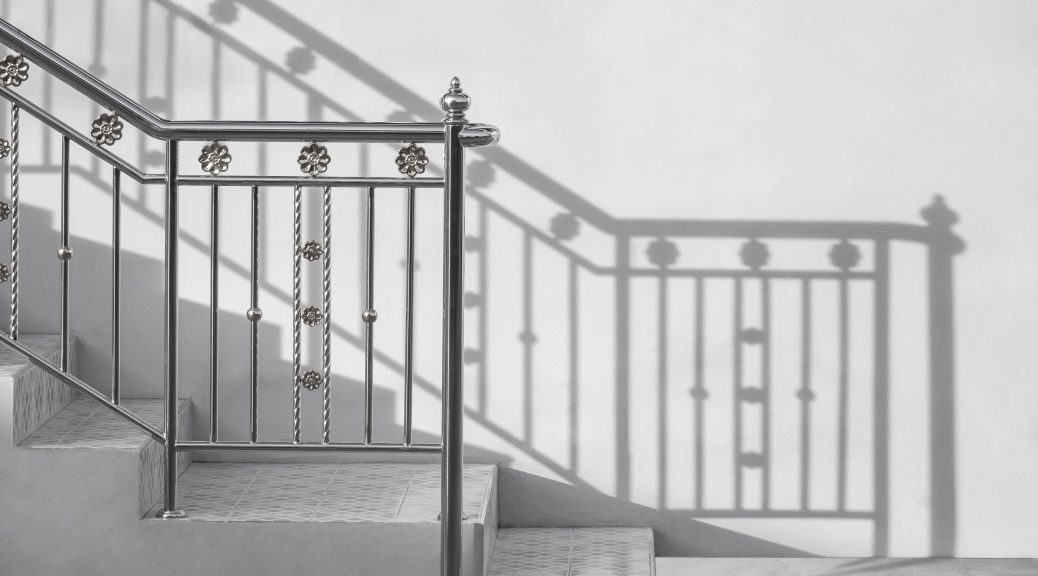
Another popular use of stainless steel in architecture is for decorative purposes. It can be used to create unique and eye-catching features, such as sculptures, railings, and other decorative elements. Stainless steel is also used in the creation of signage, helping to create a cohesive and professional look for a building or development.

Stainless steel is a versatile material that can be used in a variety of architectural applications. Its durability, corrosion resistance, and sleek appearance make it a popular choice for both functional and decorative purposes. Whether used as a structural material or for decorative finishes, stainless steel adds a modern touch to any architectural project. This also makes it idea for nearly any and all environments, ensuring its longevity and beauty for years to come.

Other Common Stainless Steel Applications

  • Structural material for buildings, bridges, and other structures
  • Cladding material for the exterior of a building
  • Rain screen to protect the building envelope and improve energy efficiency
  • Decorative features such as sculptures, railings, and other decorative elements
  • Signage
  • Columns and beams
  • Facade systems
  • Window and door frames
  • Staircases and handrails
  • Canopies and awnings
  • Louvers and sunscreens
  • Roofing systems
  • Elevator cab interiors
  • Wall panel systems
  • Skyscraper exteriors

Stainless steel is a highly versatile material that can be used throughout an endless number of architectural applications. When it comes to your project, you need a stainless steel supplier that you can count on time and time again to exceed expectations—that’s where Wieland-Wrisco comes in. With over 100 years of experience in the metal supply industry,  the Wieland-Wrisco team has proudly assisted numerous projects and companies alike with their metal sheeting needs.

If you’re in need of stainless steel for an upcoming project, contact us today online and a team member will be more than happy to assist!
3 Reasons You Need To Use Copper For Your Roof Design

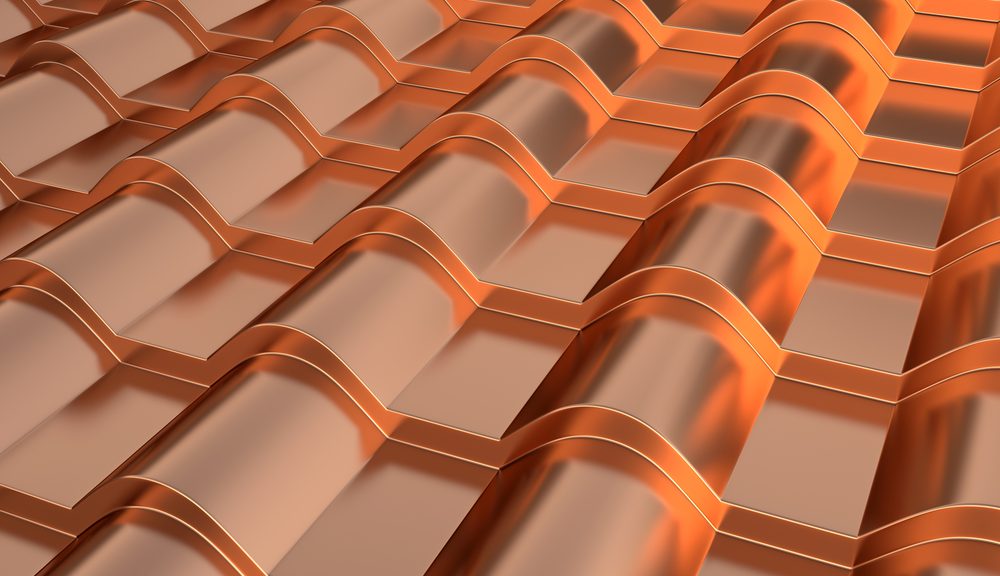
When it comes to designing and constructing a building, there are countless materials to choose from and each has its own set of benefits and drawbacks. With that said, when it comes to roofing materials, one of the most popular choices among architects is copper. Copper has been used in roofing for centuries and continues to be one of the most popular choices for both residential and commercial structures. A remarkable building material, architectural copper offers significant benefits designed to ensure longevity for decades to come. Some of the key benefits that come with architectural copper roofing include:

Durability

One of the most important factors to consider when choosing a roofing material is durability. A roof is a big investment and you want to make sure that it will last for many years. Copper is one of the most durable roofing materials on the market. It can withstand high winds, hail, and other extreme weather conditions. Copper roofs have been known to last for over 100 years with proper care and maintenance. Thus, you can rest assured knowing once incorporated, your project’s roof will provide ample support and protection against the elements for years to come.

Low Maintenance

Another important factor to consider when choosing a roofing material is maintenance. Nobody wants to spend their time and money constantly repairing and maintaining their roof. Fortunately, copper roofs require very little maintenance. They are resistant to mold, mildew, algae, and other types of growth. Copper roofs also do not need to be replaced as often as other types of roofs.

Aesthetics

Copper is a beautiful metal that can add a touch of elegance to any building. Copper roofs can be found on some of the most famous buildings in the world including St. Patrick’s Cathedral in New York City and Buckingham Palace in London. If you are looking for a roofing material that will make your building stand out from the rest, copper is an excellent choice.

There are many factors to consider when choosing a roofing material for your next project. But if you are looking for a durable, low-maintenance, and aesthetically-pleasing option, copper should be at the top of your list. With a copper roof, you will be able to enjoy peace of mind knowing that your investment will last for many years to come.

If you’ve been considering architectural copper roofing for your next design, look no further than Wieland-Wrisco. For over 100 years, we’ve proudly been the leading supplier of metal sheeting products for various projects and teams across the country. To learn more about how we can supply your next project, contact us today online and a team member will be more than happy to assist!
Contact Us

How Light is Aluminum?

When it comes to construction, one of the most important considerations is weight. This is especially true for large structures like skyscrapers. The lighter the materials used in construction, the less strain there will be on the foundation and supporting beams. This is why aluminum has become such a popular choice for construction in recent years. But just how light is aluminum?

How Light is Aluminum?

Aluminum is one of the lightest metals in existence. In fact, it’s about one-third as dense as iron. That means that a bar of aluminum that weighs one pound would have to be nearly three feet long to have the same weight as a one-pound iron bar. It weighs in at around 2.7 g/cm3. This makes aluminum an ideal choice for construction projects where weight is a major consideration.

Aluminum also has a very high strength-to-weight ratio. This means that it can support a large amount of weight without being too heavy itself. This makes it ideal for use in constructing aircraft and other vehicles where weight is a major factor.

Aluminum Applications

Exterior Cladding

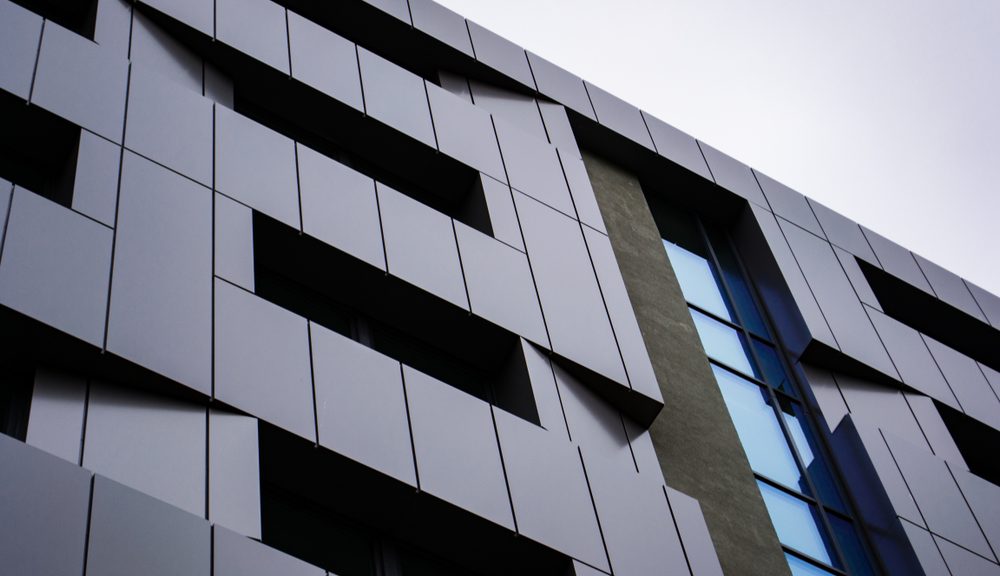
Another common use for aluminum in architecture is exterior cladding. When used as cladding, aluminum can help protect a building from the elements while also providing an aesthetic element. Aluminum cladding is often used on the outside of commercial buildings, as it is an effective way to achieve both function and style.

Interior Elements

In addition to being used in exterior applications, aluminum is also frequently used in interior applications such as handrails, partitions, ceiling systems, and more. Thanks to its resistance to corrosion, aluminum is an ideal material for use in high-moisture areas like bathrooms and kitchens. Additionally, its smooth surface makes it easy to clean and maintain, which is always a bonus in busy areas like office buildings and schools.

So, how light is aluminum? Quite light, actually. It’s one of the lightest metals in existence and has a very high strength-to-weight ratio. That makes it ideal for use in constructing aircraft, automobiles, and other structures where weight is a major consideration. If you’re looking for a metal that won’t add too much strain on your foundation, aluminum is a great choice. Contact Wieland-Wrisco today to receive a free quote for your next aluminum sheet order!

Contact Us

Racing Aluminum Now Available!

Here at Wieland-Wrisco, we are always looking for ways to better serve our customers. That’s why we’re excited to announce that we are now stocking Racing aluminum at our Ontario, California facility. This new addition to our inventory will allow us to serve our west coast customers more efficiently and effectively for your racing needs!

What is “Racing” Aluminum?

Racing aluminum is a specially formulated aluminum alloy that is designed for use in racing applications. It is heat-treated to increase its strength and durability, and it has a higher carbon content than traditional aluminum alloys. This makes racing aluminum the perfect choice for applications where strength and durability at high speeds are paramount.

Why Wieland-Wrisco?

When it comes to racing aluminum, there is no one more qualified than Wieland-Wrisco to provide you with the material you need. We have over 100 years of experience working with aluminum, and our team of experts are passionate about helping our customers find the right solution for their needs. We carry a wide array of racing Aluminum sheeting, so you can be sure to find exactly what you’re looking for on your next project.

If you’re in need of racing aluminum on the west coast, look no further than Wieland-Wrisco! Our team of experts are passionate about helping our customers find the right solution for their needs, and we carry a wide array of racing aluminum products. Contact us today at the button below to receive a free quote on racing aluminum for your next project.

Get A Free Quote

What Is Anodized Aluminum?

 All About Anodized Aluminum

When it comes to metalwork, there are a variety of finishes and coatings that can be applied to aluminum in order to achieve a desired look or functionality. One key option available is the highly reliable, highly durable anodized aluminum. Offering tremendous benefits to your project, anodized aluminum can and will be the difference maker for your next build. But what exactly is anodized aluminum, how is it created, and what does it offer?

What is Anodized Aluminum?

Anodized aluminum is aluminum that has been subjected to an electrolytic process in order to increase its thickness. This process causes a thin layer of aluminum oxide to form on the surface of the metal, which acts as a barrier against corrosion. Anodized aluminum is often used for architectural applications such as window frames, curtain walls, and handrails, industrial purposes such as machine parts and conveyor belts, and exterior applications such as wall cladding and roofing.

How is Anodized Aluminum Made?

In order to anodize aluminum, the metal must first be cleaned and placed in an electrolyte solution. A direct current is then passed through the solution, causing the oxidation reaction on the surface of the aluminum. The thickness of the anodized layer can be controlled by varying the current density, duration of the process, and type of electrolyte used. This creates a thick oxidized layer that offers significantly more durability than the base aluminum material.

Key Benefits of Anodized Aluminum

There are several key benefits that come with using anodized aluminum:
Increased durability: The anodizing process creates a harder surface on the aluminum that is more resistant to wear and tear.
Improved aesthetic: Anodized aluminum can be dyed in a wide range of colors, giving it a unique appearance that can be customized to suit your needs.
Enhanced corrosion resistance: As we mentioned earlier, the formation of the anodized oxide layer provides increased protection against corrosion.
Greater sustainability: Anodizing is an environmentally friendly process that does not use any harmful chemicals or produce any toxic waste products, ensuring aluminum’s continued sustainability.

As you can see, there are many reasons why you might want to consider using anodized aluminum for your next project. If you’re looking for a durable, sustainable material with a unique aesthetic, anodized aluminum from Wieland-Wrisco is definitely worth considering. Have any questions about our anodized aluminum products? Feel free to reach out to us at the button below and we’ll be happy to help!

Contact Us

4 Facts About Architectural Copper’s Sustainability

Architectural copper provides your project with a level of style and elegance not found with any other metal building material on the market. Not only is architectural copper stunning, but it also offers architects and builders a very sustainable material that is far less demanding on the environment. Architectural copper is such a sustainable building material because:

A Third of The Global Supply Of Copper Is Recycled

Since it was first used by humans, copper has been a highly used material throughout the world due to its incredible capabilities as a building material. Its ability to be 100% recycled ensures it can be used for decades on end throughout various applications as needed. In fact, ⅓ of the entire global circulation of copper is recycled copper, or nearly 8,000,000 tons! It’s estimated that 80% of all copper ever utilized by humans in the last 10,000 years is still in circulation today. As demand continues to grow for architectural copper, you can expect to see more recycled copper enter circulation, while still retaining all of its impressive capabilities.

It’s A Incredibly Lightweight Material

Architectural copper is a very lightweight material, which helps tremendously with transportation. As you’re able to transport much more copper compared to other materials at a time, you’re able to reduce the amount of fossil fuels burnt during transportation, and thus putting less stress on the environment as a whole.

Tremendous Lifespan

Unlike other building materials, architectural copper has an extended lifespan, allowing it to extend past its viability as a building material long past other common options. Its ability to withstand the environment allows itself to keep its integrity no matter where installed and for what use.

High Energy Efficiency

Architectural copper is highly energy efficient, as it keeps your building cool when used as exterior wall cladding or roofing. This, in turn, allows your building’s HVAC system to run far cooler than it would otherwise, thus using far less energy year in and year out.

With architectural copper installed in your next project, you can rest knowing you’re using a material that not only surpasses its competition, it exceeds expectations. Looking for architectural copper for your next big project? Wieland-Wrisco has you covered. For over 100 years, we’ve been the leading metal supplier across the country, and we’re always eager to help supply your job. Contact us today online and learn more about how Wieland-Wrisco can help!