All posts by Brandon Cordoves

Does Painted Aluminum Fade or Chalk Over Time?

All painted aluminum fades and chalks eventually, but the rate depends almost entirely on the coating. A 70% PVDF finish resists fading and chalking for 20 to 30 years, holding close to its original color and gloss. Lower-grade polyester coatings can show visible fade and a powdery chalk surface within 5 to 10 years of sun exposure.

What is the difference between fading and chalking?

Fading is the loss of color intensity as UV light breaks down the paint pigments. Chalking is a separate process in which the resin binder degrades at the surface and leaves a fine, powdery residue that dulls the finish and can rub off. Both are driven by sunlight, moisture, and pollutants, and both are measured in industry testing (Delta E for color change, ASTM ratings for chalk).

How coatings compare for fade and chalk resistance

Coating Fade resistance Chalk resistance Years to visible change
70% PVDF (Kynar 500®, Fluropon®) Excellent Excellent 20 to 30+
50% PVDF Very good Very good 15 to 20
SMP Good Moderate 10 to 15
Polyester Moderate Low 5 to 10

What makes fading and chalking worse?

  • High UV exposure: southern and high-altitude climates fade paint faster.
  • Salt air: coastal environments accelerate surface breakdown.
  • Dark and bright colors: some pigments are more UV-sensitive than neutrals.
  • No maintenance: trapped dirt and pollutants speed up degradation.

How do you prevent fading and chalking?

Specify a 70% PVDF coating, pick a color rated for your region, and rinse the surface periodically to remove buildup. For projects in strong sun or near saltwater, see coastal and high-UV finish guidance. Wrisco offers 70% PVDF painted aluminum in over 50 stock colors on the painted aluminum sheets page, and you can compare finishes in painted vs anodized vs mill finish aluminum.

Frequently asked questions

Does 70% PVDF painted aluminum fade?
Very slowly. It is engineered to hold color and gloss for 20 to 30 years, far longer than polyester finishes.

Can you fix chalking on painted aluminum?
Light chalking can often be washed off, and heavily weathered panels can sometimes be field-repainted, though replacement is common for badly degraded polyester finishes.

Do dark colors fade faster?
Some do. Certain dark and vivid pigments are more UV-sensitive, so confirm the exterior color rating before specifying.

How Long Does Painted Aluminum Sheet Last?

Painted aluminum sheet lasts 30 to 40 years or more when finished with a 70% PVDF coating, and the aluminum substrate itself does not rust and can last far longer. The paint is usually the limiting factor: premium 70% PVDF finishes carry warranties up to 30 years, while lower-grade polyester coatings may show fading or chalking within 5 to 10 years.

What determines how long painted aluminum lasts?

  • Coating type: 70% PVDF far outlasts SMP and polyester finishes.
  • Climate: intense UV, salt air, and pollution shorten paint life.
  • Color: some deep and bright colors weather differently than neutrals.
  • Maintenance: periodic rinsing removes dirt and salts that accelerate wear.
  • Substrate: aluminum does not rust, so the metal outlasts the paint.

Expected service life by coating

Coating Color/gloss life Typical warranty
70% PVDF (Kynar 500®, Fluropon®) 30 to 40 years Up to 30 years
50% PVDF 15 to 25 years 10 to 20 years
SMP 10 to 20 years 10 to 25 years
Polyester 5 to 10 years 5 to 10 years

Does the aluminum itself wear out?

No. Aluminum forms a natural oxide layer that protects it from rust, so the base metal does not corrode the way steel does. That is why the coating, not the metal, sets the practical lifespan. For more on corrosion behavior, see Does Aluminum Rust?

How to get the longest life from painted aluminum

Specify a 70% PVDF finish for anything outdoors, choose a color rated for your climate, and rinse the surface periodically. In harsh coastal or high-UV settings, review coastal and high-UV finish guidance. Wrisco supplies 70% PVDF painted aluminum in over 50 colors and gauges from .020 to .080 on the painted aluminum sheets page.

Frequently asked questions

How long does the paint warranty last on painted aluminum?
Premium 70% PVDF coatings commonly carry warranties up to 30 years for film integrity, chalk, and fade.

Will painted aluminum last longer than painted steel?
Generally yes, because aluminum does not rust. Compare the two in applications of painted steel.

Does color choice affect lifespan?
It can. Certain organic pigments in bright reds and blues weather differently, so confirm the color rating for exterior use.

PVDF vs Polyester Paint on Aluminum: Which Finish Lasts Longer?

PVDF (fluoropolymer) paint lasts significantly longer than polyester paint on aluminum. A 70% PVDF finish holds its color and gloss for 20 to 30 years outdoors, while a standard polyester finish typically begins to fade and chalk within 5 to 10 years. Polyester costs less and works well indoors or for short-term projects, but PVDF is the clear choice for exterior and architectural aluminum.

What is the difference between PVDF and polyester paint?

PVDF (polyvinylidene fluoride) is a fluoropolymer resin engineered for extreme weather resistance; the 70% PVDF class is sold under names like Kynar 500® and Fluropon®. Polyester is a lower-cost thermoset resin that produces a hard, glossy film but lacks the fluoropolymer chemistry that resists UV breakdown. The core difference is how each holds up to sunlight, moisture, and pollution over time.

PVDF vs polyester: side-by-side

Property 70% PVDF Polyester
Color retention Excellent, 20+ years Moderate, fades in 5 to 10 years
Gloss retention Excellent Good early, dulls over time
Chalk resistance Very high Low to moderate
Formability Excellent, bends without cracking Good
Typical warranty Up to 30 years 5 to 10 years
Relative cost Higher Lower
Best use Exterior, architectural, coastal Interior, signage, short-term

When should you choose polyester instead of PVDF?

Polyester makes sense when the aluminum is used indoors, for temporary displays, or on a tight budget where a 5 to 10 year finish is acceptable. It comes in a wide color range and takes a high initial gloss. For sign blanks and interior panels that are not exposed to the elements, polyester is often the practical pick. See aluminum sign blanks for signage-specific options.

When is PVDF the better investment?

Any exterior surface, especially building facades, roofing, and anything near saltwater, should use 70% PVDF. In coastal and high-UV climates the difference is dramatic; see choosing aluminum finishes for coastal and high UV environments. Wrisco stocks 70% PVDF painted aluminum in over 50 colors on the painted aluminum sheets page.

Frequently asked questions

Is PVDF paint worth the extra cost over polyester?
Outdoors, yes. PVDF typically lasts two to three times longer, so the lifetime cost is usually lower despite the higher upfront price.

Does polyester paint chalk faster than PVDF?
Yes. Polyester tends to chalk and fade within several years of sun exposure, while 70% PVDF resists chalking for decades.

Can both finishes be formed and bent?
Both can be formed, but PVDF is especially flexible and resists cracking during roll forming and brake bending.

What Is 70% PVDF (Kynar 500®) Coating on Painted Aluminum?

70% PVDF is a factory-applied paint system in which polyvinylidene fluoride (PVDF) resin makes up 70% of the coating binder. It is the most durable coil coating available for architectural painted aluminum, prized for color retention, gloss retention, and chalk and fade resistance that can last 30 years or more. Kynar 500® and Fluropon® are two brand names for this 70% PVDF chemistry.

What does “70% PVDF” actually mean?

A painted aluminum coating is made of resin (the binder that holds everything together) and pigment. In a 70% PVDF system, at least 70% of that resin is PVDF, a fluoropolymer known for extreme weathering stability. The remaining 30% is acrylic, which helps the paint adhere and form a smooth film. Coatings with less fluoropolymer, such as 50% PVDF or standard polyester, weather faster and lose color sooner.

Kynar 500® (a PVDF resin trademark from Arkema) and Hylar 5000® are the base resins. Fluropon® is a finished 70% PVDF coating brand. When a spec sheet says “Kynar 500 / Hylar 5000 based,” it is describing the same 70% PVDF performance class.

Why do architects and fabricators specify 70% PVDF?

  • Color and gloss retention: holds its original color and sheen for decades, even in direct sun.
  • Chalk and fade resistance: resists the powdery surface breakdown that dulls lesser paints.
  • Formability: flexes with the metal during roll forming and brake bending without cracking or peeling.
  • Chemical and pollution resistance: stands up to acid rain, salt air, and industrial fallout.

70% PVDF vs other painted aluminum finishes

Coating Fluoropolymer content Typical warranty Best for
70% PVDF (Kynar 500®, Fluropon®) 70% PVDF resin Up to 30 years Architectural, exterior, coastal
50% PVDF 50% PVDF resin 10 to 20 years Budget exterior
SMP (silicone-modified polyester) None 10 to 25 years (varies) Agricultural, some roofing
Polyester None 5 to 10 years Interior, signage, short-term

Where is 70% PVDF painted aluminum used?

It is the default choice for building facades, metal roofing and wall panels, column covers, canopies, and any exterior surface where long-term color is critical. Wrisco stocks 70% PVDF painted aluminum in over 50 colors and gauges from .020 to .080, cut to length in-house. Learn more on the painted aluminum sheets page or read What Is Fluropon? for a closer look at the coating.

Frequently asked questions

Is Kynar 500 the same as Fluropon?
They belong to the same 70% PVDF performance class. Kynar 500® is the PVDF resin; Fluropon® is a finished coating built on that resin. Both deliver comparable long-term weathering performance.

Is 70% PVDF worth the added cost?
For exterior and architectural work, yes. The longer color and gloss life usually outlasts cheaper coatings by two to three times, lowering lifetime cost.

Can 70% PVDF painted aluminum be used indoors?
Yes, though its main advantages are outdoors. For interior-only projects, a polyester finish may be more economical. See 5 Types of Aluminum Finishes.

How to Choose the Right Prefinished Aluminum Sheet for Architectural and Commercial Projects

How to Choose the Right Prefinished Aluminum Sheet for Architectural and Commercial Projects

Selecting the wrong material finish or gauge for a commercial or architectural project can mean costly rework, mismatched appearances, or premature failure in the field. Whether you are specifying cladding for a new storefront, fabricating custom signage, or sourcing trim and fascia for a large commercial build, choosing the right prefinished aluminum sheet from the start is one of the most consequential decisions in your material planning process. This guide is designed to walk architects, contractors, fabricators, sign manufacturers, and purchasing teams through the key variables that should drive product selection, including finish type, gauge, color, formability, environmental exposure, and application-specific requirements.

Start with the Application: What Is the Aluminum Sheet Being Used For?

Before comparing finishes or reviewing gauge charts, define the application clearly. The intended use of the material will immediately narrow your options and prevent over-specifying or under-specifying a product for the job.

Exterior Architectural Applications

Storefronts, curtain walls, architectural panels, exterior fascia, and building cladding all share one critical demand: long-term performance under real weather conditions. For these applications, the finish needs to resist UV degradation, moisture, salt air, and thermal cycling. Color retention over years or decades is not optional. Aluminum sheets for construction in exposed exterior environments require a finish system engineered specifically for that duty cycle.

Signage and Wayfinding

Sign manufacturers and fabricators working with aluminum sheets for signage need material that accepts graphics, vinyl, paint, or printing processes cleanly and consistently. Flatness, surface uniformity, and gauge consistency are critical. A smooth painted or mill finish surface is typically preferred, and formability matters when signs require bending, routing, or custom shaping.

Commercial Interiors and Decorative Applications

Interior ceiling panels, wall systems, decorative trim, and commercial interior cladding have different requirements than exterior work. UV resistance is less critical, but appearance, surface quality, and the ability to fabricate cleanly are priorities. Anodized aluminum sheet is a popular choice for interior architectural work because of its refined metallic appearance and resistance to fingerprinting and abrasion.

Industrial and Fabrication Work

Industrial applications such as enclosures, equipment panels, protective covers, and fabricated components often prioritize structural integrity, workability, and cost efficiency over aesthetics. Mill finish aluminum is commonly specified here because it provides a clean, uncoated surface ready for secondary processing, welding, or custom painting after fabrication.

Understanding the Key Finish Types for Prefinished Aluminum Sheets

Finish selection is not simply a matter of color preference. The finish type directly determines performance characteristics including corrosion resistance, UV stability, formability, and suitability for specific environments. Here is a breakdown of the primary finish options available through Wieland-Wrisco and how each serves different project needs.

70% PVDF Aluminum: The Standard for Exterior Durability

70% PVDF aluminum (polyvinylidene fluoride) is widely recognized as the benchmark finish for exterior architectural aluminum applications. PVDF coatings contain a minimum of 70% PVDF resin, which provides exceptional resistance to UV radiation, chalking, fading, and chemical exposure. This finish is the go-to choice for high-performance exterior cladding, storefront systems, aluminum composite material (ACM) alternatives, and long-term architectural applications where color consistency over decades is required.

Architects frequently specify 70% PVDF coatings on projects that carry extended warranty requirements or that involve harsh environmental conditions such as coastal environments, high-altitude installations, or industrial atmospheres with airborne pollutants. If your project has a 10-, 15-, or 20-year color and film integrity expectation, PVDF is the correct finish category to specify.

Painted Aluminum Sheet: Versatile for Moderate Exposure Applications

Painted aluminum sheet, including polyester and modified polyester coatings, delivers solid performance for applications where extreme long-term exterior exposure is not the primary concern. These finishes are commonly used in signage, interior architectural panels, commercial trim, secondary structures, and applications where color and appearance are important but the finish does not need to meet the demanding performance standards of a full PVDF system.

Coil coated aluminum sheet processed with polyester-based paints offers an economical advantage over PVDF while still providing a clean, consistent surface in a wide range of colors. For projects with moderate budgets, shorter lifecycle expectations, or interior-only use, painted aluminum is frequently the most practical choice.

Anodized Aluminum Sheet: Metallic Appearance with Surface Hardness

Anodized aluminum sheet undergoes an electrochemical process that converts the surface of the aluminum into a hard, durable oxide layer. Unlike paint or coatings, the anodic finish is integral to the metal itself, which means it cannot chip or peel. Anodized finishes are available in clear, champagne, bronze, and dark bronze tones and are frequently specified for architectural storefronts, curtain wall framing, interior wall panels, and decorative metal features.

Anodized aluminum is particularly valued for its resistance to abrasion and its refined, consistent metallic appearance. It performs well in interior environments and moderate exterior applications, though it is worth noting that anodized finishes can be more susceptible to attack from alkaline or acidic environments than PVDF-coated aluminum. For aggressive exterior exposure, confirm that the anodizing specification aligns with the environmental conditions of the installation site.

Mill Finish Aluminum: The Foundation for Custom Processing

Mill finish aluminum is uncoated aluminum in its natural, as-rolled state. It has a bright, slightly reflective surface that can vary in appearance across sheets. Mill finish is the preferred starting point for fabricators who intend to apply their own coatings, anodizing, or other surface treatments after cutting, forming, or welding. It is also commonly used in industrial applications, structural components, and any situation where the final appearance will be determined by secondary processing.

Mill finish aluminum provides the greatest flexibility for downstream fabrication but offers no inherent corrosion protection beyond aluminum’s natural oxide layer. In exterior or corrosive environments, mill finish should be followed by an appropriate coating or protective treatment.

Aluminum Tread Brite: Functional and Visually Distinctive

Aluminum tread brite, also called bright finish or polished aluminum sheet, features a highly reflective, mirror-like surface. It is used in decorative trim applications, accent panels, retail fixtures, interior design elements, and applications where a premium reflective appearance is part of the design intent. Tread brite aluminum is also commonly used in transportation, food service equipment, and commercial display environments.

Custom Painted Aluminum: Matching Color to Design Intent

Custom painted aluminum solutions allow architects, designers, and contractors to specify exact colors that align with brand standards, design palettes, or project-specific requirements. Wieland-Wrisco offers access to custom color programs that allow fabricators and project teams to move beyond standard stock colors and specify materials that meet precise color matching needs.

For branded commercial developments, corporate campuses, retail environments, or high-profile architectural projects, custom painted or colored aluminum sheet metal eliminates the compromise of selecting from a limited palette and ensures finish consistency across large panel quantities.

Gauge Selection: Matching Thickness to Structural and Fabrication Requirements

Aluminum sheet gauges vary widely, and selecting the appropriate thickness is as important as choosing the right finish. Thinner gauges offer weight savings and easier formability but may not provide the structural rigidity needed for larger panel spans or structural applications. Heavier gauges add strength but increase material cost and may require different fabrication approaches.

Common aluminum sheet gauges for architectural and commercial work range from .032″ to .125″ and above. Signage applications frequently use .040″ or .063″ sheets. Exterior architectural panels and fascia often specify .080″ or heavier depending on panel size and attachment method. Trim and light fabrication work may use .032″ or .040″ gauges for ease of bending and forming.

When formability is a priority, such as in roll forming, brake bending, or fabricating complex trim profiles, confirm that the alloy and temper of the sheet are appropriate for the degree of forming required. Wieland-Wrisco can help guide material selection based on the specific bending radii and fabrication processes your project requires.

Environmental Exposure: Let the Site Conditions Drive Finish Decisions

Exterior exposure conditions should be one of the first variables evaluated when selecting a finish. A painted aluminum sheet that performs well in a mild climate inland may not hold up adequately in a coastal marine environment or an industrial zone with chemical exposure. Consider the following environmental factors:

  • UV intensity: High UV exposure accelerates color fading and coating degradation. PVDF finishes are engineered specifically for high UV environments.
  • Salt air and moisture: Coastal and waterfront installations demand coatings with superior moisture and salt resistance.
  • Pollution and chemical exposure: Industrial environments with airborne pollutants, acid rain, or chemical contact require chemically resistant finish systems.
  • Thermal cycling: Large temperature swings can stress coatings over time. High-quality coil coated finishes with proper flexibility ratings are better suited to extreme thermal environments.

Specifying a finish without accounting for site-specific exposure is one of the most common errors in material selection. Wieland-Wrisco works with architects and contractors to match finish performance ratings to actual environmental conditions, helping avoid premature failures and warranty issues in the field.

Ordering Considerations: Sizes, Cut-to-Length, and Lead Times

Beyond finish and gauge, practical ordering decisions can significantly affect project timelines and budget. Key considerations include:

Standard vs. Cut-to-Length Processing

Cut-to-length aluminum sheet processing allows material to be supplied in precise dimensions that reduce waste and shop labor. Rather than ordering standard mill lengths and cutting down on-site or in the shop, cut-to-length orders deliver material sized to your project specifications. This is especially valuable on larger commercial or architectural projects where material handling efficiency and dimensional accuracy are priorities.

Ready-to-Ship Inventory

For time-sensitive projects, working with a supplier that maintains ready-to-ship inventory of prefinished aluminum sheets in standard gauges, widths, and colors can eliminate weeks of lead time. Wieland-Wrisco stocks a broad inventory of architectural aluminum sheets, anodized aluminum, PVDF-finished panels, and mill finish material available for fast delivery, which is a meaningful advantage on projects with compressed schedules.

Mill Certificates and Documentation

On commercial and architectural projects, particularly those governed by specifications, submittals, or government contracts, mill certificates may be required to confirm alloy, temper, coating weight, and finish performance. Requesting mill certificates at the time of order ensures that documentation is available for project records and inspections without delays.

Frequently Asked Questions About Prefinished Aluminum Sheet Selection

What is the difference between coil coated and post-painted aluminum?

Coil coated aluminum sheet is painted continuously as coil stock before being cut into sheets, which produces highly consistent coating thickness, adhesion, and color uniformity. Post-painted aluminum is painted after fabrication or cutting, which can result in more variability and is typically used for smaller batch or custom work. For large-scale architectural and commercial applications, coil coated material generally provides better consistency and performance.

Can prefinished aluminum be formed and bent after delivery?

Yes, but the degree of formability depends on the alloy, temper, gauge, and finish type. Most coil coated and prefinished aluminum sheets are designed to accommodate standard brake bending and roll forming operations without cracking or finish damage. Discuss your specific forming requirements with your material supplier before ordering to confirm that the specified product is suitable for the fabrication processes planned.

How do I choose between anodized and painted finishes for exterior cladding?

For most exterior cladding applications with long-term color retention requirements, a 70% PVDF painted finish provides superior UV resistance and a wider color range compared to anodized finishes. Anodized aluminum offers a distinctive metallic appearance and excellent abrasion resistance, making it well-suited for storefronts, canopies, and architectural details where a natural metal look is preferred. The choice often comes down to appearance preference, budget, and specific performance requirements for the project environment.

Does Wieland-Wrisco offer custom sizes and specialty finishes?

Yes. Wieland-Wrisco provides cut-to-length processing, custom painted aluminum in project-specific colors, and a broad range of finish types including PVDF, polyester painted, anodized, mill finish, and aluminum tread brite. The team can assist with material specifications, submittal support, and sourcing guidance for both standard and specialty applications.

Partner with Wieland-Wrisco for Your Next Prefinished Aluminum Sheet Project

Choosing the right prefinished aluminum sheet requires balancing finish performance, gauge requirements, environmental exposure, formability, color needs, and project timelines. There is no single answer that fits every application, which is why having an experienced material partner matters as much as the product itself. Wieland-Wrisco brings decades of expertise in supplying architectural aluminum sheets, anodized aluminum, 70% PVDF aluminum, mill finish material, custom painted aluminum, and aluminum tread brite to architects, contractors, fabricators, sign manufacturers, and commercial construction teams across the country.

Whether you are sourcing aluminum sheets for storefronts, exterior cladding, custom signage, commercial trim, or industrial fabrication, Wieland-Wrisco offers the inventory depth, processing capabilities, and product knowledge to support your project from specification through delivery. Contact Wieland-Wrisco today to discuss your application requirements, request samples, or get a quote on standard or custom aluminum sheet products for your next commercial or architectural project.

5 Types of Aluminum Finishes and When to Use Them

Aluminum is one of the most versatile materials available, thanks to its ability to be finished in a variety of ways to enhance its appearance, durability, and functionality. Each type of finish is suited for specific applications, making it important to understand your options before starting a project. Here’s a closer look at five popular aluminum finishes and when to use them.

1. Anodized Aluminum

Anodized aluminum is a finish that strengthens the material’s natural oxide layer, providing exceptional durability and corrosion resistance. It’s not just practical—it also allows for vibrant colors and a sleek, modern appearance. This finish is ideal for architectural projects like window frames and curtain walls, as well as consumer products such as electronics and cookware. Thanks to its resistance to weather and wear, it’s a top choice for outdoor applications.

2. Brushed Aluminum

Brushed aluminum stands out for its distinctive matte texture, created by treating the surface with fine lines that reduce reflectivity while maintaining a metallic shine. This finish is often used in interior design for elements like backsplashes or wall panels, offering a clean, modern aesthetic. You’ll also find it in products like kitchen appliances and automotive trim, where a subtle yet stylish look is desired.

3. Polished Aluminum

With its highly reflective, mirror-like surface, polished aluminum is all about elegance and visual impact. This finish is achieved through a meticulous buffing process, making it perfect for decorative applications, high-end furniture, and automotive or marine accents. Polished aluminum also works well for projects requiring light reflection, such as in lighting fixtures or solar energy installations.

4. Painted Aluminum

Painted aluminum opens the door to endless design possibilities. Coated with paint or powder, it provides vibrant colors and added protection against the elements. Commonly used in exterior building cladding, it ensures durability and visual appeal. It’s also a favorite for custom signage and branding, where specific colors can be matched for cohesive aesthetics. Whether for construction, advertising, or industrial purposes, painted aluminum offers a winning combination of form and function.

5. Mill Finish Aluminum

Mill finish aluminum is raw, untreated material straight from the production process. While it doesn’t boast the enhancements of other finishes, its versatility and cost-effectiveness make it a practical choice for industrial and mechanical applications. It’s often selected for projects where the material will be further processed, such as welding, cutting, or bending. Though less visually refined, mill finish aluminum is highly functional and economical.

Making the Right Choice

The finish you choose for your aluminum project depends on your specific goals. If you’re prioritizing durability and color, anodized or painted aluminum is a smart choice. For sleek and sophisticated aesthetics, brushed or polished aluminum is ideal. When budget and versatility are the main concerns, mill finish aluminum delivers reliable performance.

At Wrisco, we’re here to help you find the perfect aluminum finish for your project. Our extensive selection and expertise ensure that your material not only meets your needs but exceeds your expectations.

Ready to Get Started?
Contact Wrisco today to explore our aluminum finishes and discover how we can elevate your next project with the perfect materials.

7 Questions to Ask When Ordering Custom Aluminum Sheets

Custom aluminum sheets are a versatile solution for a wide range of projects, from architectural designs to industrial applications. However, to ensure your order meets your specific needs, it’s essential to ask the right questions before making a purchase. Here are seven key questions to guide your decision-making process and help you achieve the best results.

1. What Grade of Aluminum Is Best for My Project?

Aluminum comes in a variety of grades, each suited to different applications. For example, 3003 aluminum is commonly used for roofing and siding due to its corrosion resistance, while 6061 is prized for its strength and machinability, making it ideal for structural projects. Knowing the specific requirements of your project will help you choose the grade that delivers the performance you need.

2. What Thickness Do I Need?

The thickness of your aluminum sheets will impact both their functionality and cost. Thicker sheets are more durable and better suited for heavy-duty applications, while thinner sheets are lightweight and flexible, making them perfect for decorative or lightweight uses. Be sure to determine the appropriate thickness based on the demands of your project.

3. What Finish Options Are Available?

Aluminum sheets can be customized with various finishes to enhance their appearance and durability. Common finishes include anodized, brushed, polished, and painted options. Each finish offers unique benefits, from corrosion resistance to aesthetic appeal, so it’s important to select one that aligns with your project’s goals.

4. Can the Sheets Be Fabricated to My Specifications?

Custom aluminum sheets can be cut, bent, or shaped to meet precise specifications. Ask whether the supplier offers fabrication services and ensure they can accommodate your design needs. Providing detailed drawings or CAD files will help streamline the fabrication process and ensure accuracy.

5. What Are the Minimum and Maximum Order Quantities?

Understanding the supplier’s order requirements is crucial, especially if your project involves a specific quantity of materials. Some suppliers may have minimum order thresholds, while others may specialize in larger bulk orders. Clarifying this upfront ensures your order aligns with your project scope.

6. How Will the Sheets Be Packaged and Delivered?

The way aluminum sheets are packaged and delivered can impact their condition upon arrival. Ask about the supplier’s packaging methods to ensure the sheets will be protected from damage during transit. Additionally, inquire about delivery timelines to make sure the order will arrive when you need it.

7. Are There Any Additional Customization Options?

Beyond standard specifications, many suppliers offer additional customization options. These may include perforations, embossing, or pre-drilled holes to suit specific applications. Discuss these options to determine whether they could add value to your project.

Partnering With the Right Supplier

Ordering custom aluminum sheets is a significant investment, and choosing the right supplier can make all the difference. At Wrisco, we pride ourselves on providing high-quality aluminum sheets tailored to your needs. With a wide range of grades, finishes, and customization options, we ensure your order is perfectly suited for your project.

Ready to Customize Your Aluminum Sheets?
Contact Wrisco today to discuss your requirements and get expert guidance on selecting the best aluminum solutions for your project.

Discovering the Best Metal Shop Near You: A Comprehensive Guide

Introduction

Whether you’re an industry professional, an avid DIYer, or someone with an occasional need for metal supplies, finding a reliable metal shop near you is crucial. Metal shops offer a wide array of products and services, from raw materials like steel, aluminum, and copper to custom fabrication, cutting, and welding. In this article, we will explore what to look for in a metal shop, highlight some reputable shops across various locations, and provide a concluding call to action to help you get started on your next project.

What to Look for in a Metal Shop

When searching for a metal shop, there are several key factors to consider:

  1. Product Variety: A good metal shop should offer a diverse range of metals and metal products. Look for shops that stock various types of metals like steel, aluminum, brass, and copper in multiple shapes such as bars, sheets, tubes, and plates.
  2. Customization Services: Many projects require specific cuts or custom fabrication. Ensure the metal shop provides services like cutting, bending, welding, and other fabrication services.
  3. Quality and Expertise: Quality materials and expert advice are essential. A reputable shop will have knowledgeable staff who can guide you to the right materials and provide technical support.
  4. Convenience and Accessibility: Proximity to your location, ease of ordering, and delivery options are important for saving time and effort.
  5. Customer Reviews: Positive feedback from other customers can give you insights into the shop’s reliability and service quality.

Reputable Metal Shops

Metal Supermarkets

Metal Supermarkets is one of the world’s largest suppliers of small-quantity metals. With over 8,000 products available, they cater to a wide range of needs, offering various metals including alloy steel, aluminum, brass, bronze, copper, galvanized steel, stainless steel, and more. Their services include cutting metals to size, same-day pickup, and local delivery, ensuring convenience and efficiency for all customers.

Metals Depot

Metals Depot is another major player in the metal supply industry, offering a vast selection of metals and metal products online. They provide steel, aluminum, stainless steel, brass, copper, and more in various shapes and sizes. Known for their “any quantity, any size” service, Metals Depot is a go-to for both small and large projects. Their online platform makes ordering straightforward, with delivery available across the United States.

South Austin Metals

For those in the Austin, Texas area, South Austin Metals is a highly regarded metal supplier and fabrication shop. They offer a comprehensive range of services including custom steel fabrication, cutting, and installation. Their customer-focused approach and extensive experience in the industry make them a preferred choice for both commercial and residential projects. South Austin Metals also stands out for their direct delivery services within the Austin area.

McKenna Metal

Based in Portland, Oregon, McKenna Metal specializes in custom metal fabrication, including welding, laser cutting, waterjet cutting, forming, and powder coating. Established in 1995, they have built a reputation for handling complex projects with precision and efficiency. Their team’s expertise and commitment to quality ensure that every project meets the highest standards【8†source】.

Conclusion

Finding the right metal shop near you involves considering the range of products and services offered, the quality and expertise of the staff, and the convenience of their location and delivery options. Whether you need a small piece of metal cut to size or a large custom fabrication project, reputable shops like Metal Supermarkets, Metals Depot, South Austin Metals, and McKenna Metal have you covered.

Ready to start your next project? Visit wrisco.com for top metal and explore our offerings. If you’re in a specific region, take advantage of local shops that provide custom services and direct delivery. Don’t settle for less—ensure your projects have the best materials and expert support they deserve.

Copper in the Age of Electrification: Wieland’s Advanced Solutions Paving the Way for Future Technologies

As the world stands on the brink of an electrification revolution, the demand for materials that can sustain and propel this transformation is skyrocketing. At the heart of this technological shift lies copper—a metal with unmatched electrical conductivity, thermal performance, and versatility. Copper is the unsung hero of our increasingly electrified world, essential in powering everything from electric vehicles (EVs) and renewable energy systems to the intricate circuitry of modern electronics.

In this era of rapid technological advancement, the role of copper extends far beyond its traditional uses. It is now the backbone of emerging industries that are reshaping how we generate, store, and use energy. The need for efficient, reliable, and sustainable materials has never been greater, and copper’s unique properties make it indispensable in meeting these demands.

Wieland, a global leader in copper manufacturing, is at the forefront of this movement, pioneering innovations that are driving efficiency, sustainability, and technological progress. With a rich history of expertise and a forward-looking approach, Wieland is developing advanced copper solutions that not only meet the challenges of today but also anticipate the needs of tomorrow. As industries across the globe pivot towards electrification, Wieland’s cutting-edge copper products are playing a critical role in ensuring that this transition is both seamless and sustainable.

In this article, we will explore how Wieland’s innovations in copper alloys are shaping the future of electrification, from the automotive sector to renewable energy and beyond. We will also delve into the company’s unwavering commitment to research and development, its strategic investments in modernization, and its dedication to sustainability—all of which position Wieland as a leader in a rapidly evolving market. Join us as we uncover the pivotal role that copper, and Wieland’s pioneering efforts, play in powering the technologies of the future.

Copper’s Critical Role in Electrification

Copper is fundamental to modern technology, especially as the world embraces electrification on an unprecedented scale. Its unique properties, including excellent electrical conductivity, thermal conductivity, and malleability, make it indispensable for a wide range of applications—from powering electric vehicles (EVs) and renewable energy systems to supporting the infrastructure of smart cities and advanced manufacturing.

As industries around the globe increasingly rely on electric power, the need for materials that can handle high loads and provide consistent performance becomes more critical. Copper’s ability to efficiently conduct electricity while withstanding extreme conditions makes it the material of choice for these applications. In this new age of electrification, copper is not just a component; it’s a catalyst for progress.

Wieland: Innovating Copper Alloys for the Future

Wieland’s commitment to innovation is reflected in its ongoing research and development efforts, which have led to the creation of advanced copper alloys specifically designed for high-performance applications. These alloys are engineered to meet the rigorous demands of emerging technologies, ensuring they perform optimally in the most challenging environments.

Automotive Sector: Electrifying the Future

One of the key sectors benefiting from Wieland’s innovations is the automotive industry, particularly with the rise of electric vehicles (EVs). Wieland’s new copper alloys offer superior conductivity and durability, which are crucial for the efficient operation of EVs and their charging infrastructure. These materials help reduce energy losses, improve vehicle performance, and extend the lifespan of components, making EVs more reliable and cost-effective.

“Our innovative copper alloys are at the forefront of technological advancements, enabling our customers to excel in the rapidly evolving electrification landscape,” says Dr. Erwin Mayr, CEO of the Wieland Group. “We are committed to providing solutions that not only meet today’s demands but also anticipate the needs of tomorrow.”

Renewable Energy: Powering the Global Energy Transition

Wieland’s copper products are also integral to the global energy transition. The shift towards renewable energy sources like wind and solar power requires efficient power generation, transmission, and storage solutions. Wieland’s materials are essential in the development of renewable energy infrastructure, ensuring that power generated from these sources is efficiently delivered and utilized.

The company’s copper alloys are used in critical components of wind turbines and solar panels, where their high conductivity and durability enhance energy capture and transmission. By enabling more efficient energy systems, Wieland is helping to reduce the global carbon footprint and support the transition to a more sustainable energy future.

Modernization and Sustainability: A Commitment to the Future

Wieland’s dedication to modernization and sustainability is exemplified by its recent $500 million investment in the modernization and expansion of its East Alton, Illinois facility. This state-of-the-art facility is equipped with the latest automation and digitalization technologies, allowing Wieland to produce high-quality copper products at scale while maintaining a strong focus on sustainability.

Recycling and Environmental Stewardship

At the core of Wieland’s operations is a commitment to sustainability. The company has implemented advanced manufacturing processes designed to minimize waste and energy consumption, aligning with global efforts to reduce the environmental impact of industrial activities. A key aspect of this commitment is Wieland’s copper recycling center in Vöhringen, which efficiently recovers and reuses copper, reducing the need for virgin materials.

By investing in recycling and sustainable practices, Wieland not only ensures the longevity of its resources but also positions itself as a leader in environmental stewardship within the copper industry. “Our investments in recycling and sustainable practices ensure that Wieland remains a leader in the copper industry, both in terms of innovation and environmental stewardship,” adds Anton Zierhut, President of Extruded Products at the Wieland Group. “We are proud to support the electrification of industries worldwide with materials that are not only high-performing but also responsibly produced.”

The Future of Electrification: Wieland’s Vision

As the world continues to move towards a future defined by electrification, Wieland is poised to play a critical role in this transformation. The company’s focus on innovation, sustainability, and modernization ensures that it will remain at the forefront of the copper industry, providing the advanced solutions needed to power the technologies of tomorrow.

Wieland’s vision is clear: to lead the charge in electrification by offering copper products that drive efficiency, reduce environmental impact, and support the global shift towards cleaner, more sustainable energy sources. The company’s unwavering commitment to research and development, coupled with its strategic investments in modernization and recycling, positions it as a key player in the ongoing evolution of the electrification landscape.

Conclusion

In an era where electrification is rapidly becoming the norm, the importance of high-quality materials like copper cannot be overstated. Wieland’s advanced copper solutions are paving the way for future technologies, ensuring that industries can meet the growing demands of a more electrified world.

As a leader in the copper industry, Wieland is not just responding to current market needs but is actively shaping the future of electrification. By focusing on innovation, sustainability, and modernization, the company is setting new standards for what can be achieved with copper.

For industry leaders, innovators, and decision-makers, the message is clear: The future is electrified, and copper is the key. By choosing Wieland’s advanced copper solutions, you are not only investing in superior performance but also in a sustainable and efficient future.

Take the first step towards electrification by partnering with Wieland today. Contact us to learn more about how our copper products can support your technological and environmental goals.

For more information, please contact:

Wieland Group
Dr. Wolfgang Albeck | Director Corporate Communications
Graf-Arco-Straße 36 | 89079 Ulm | Germany
P +49 152 59719639 | press@wieland.com

Building a Monument for Justice with Sustainable MCM

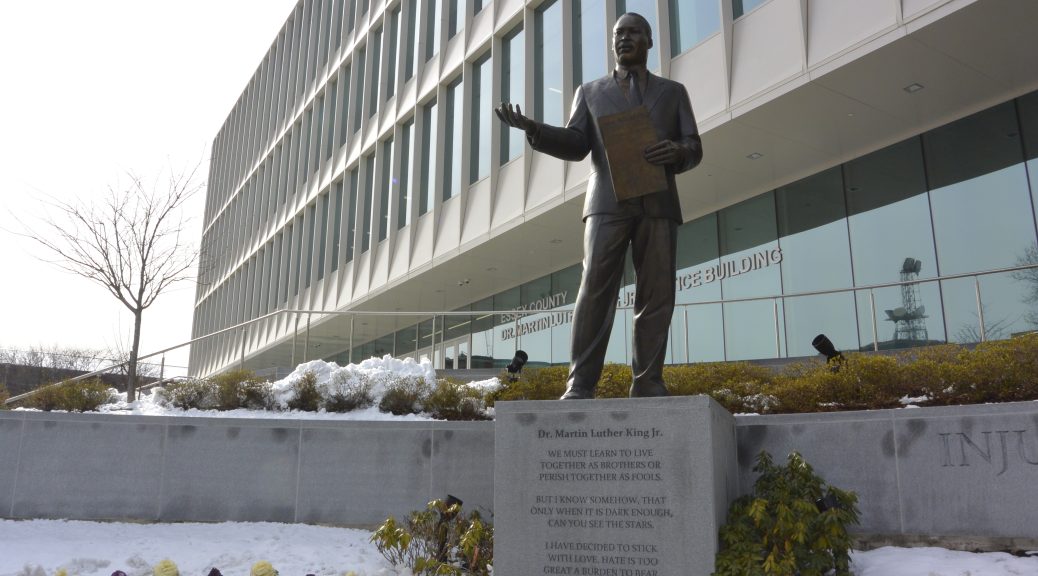
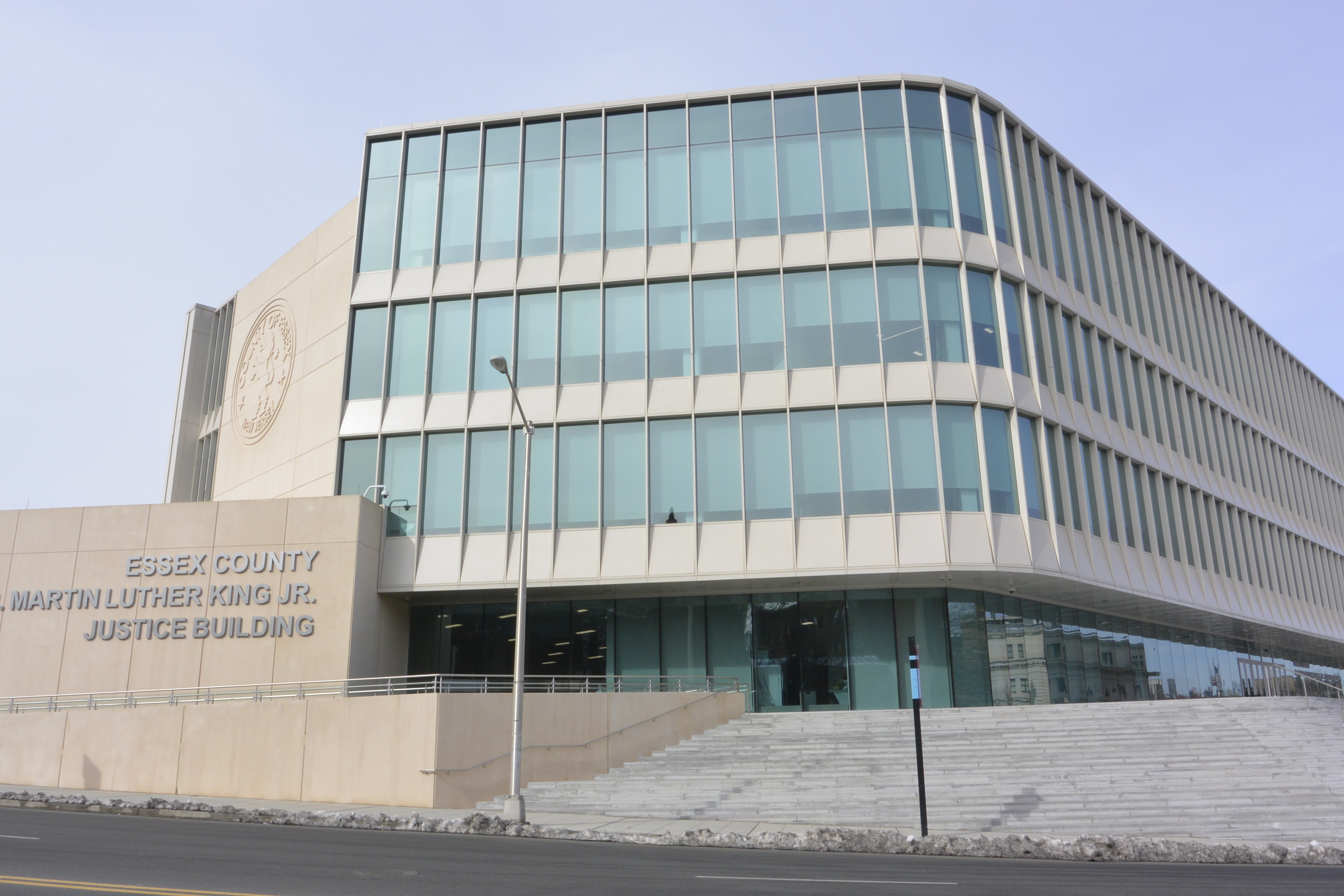
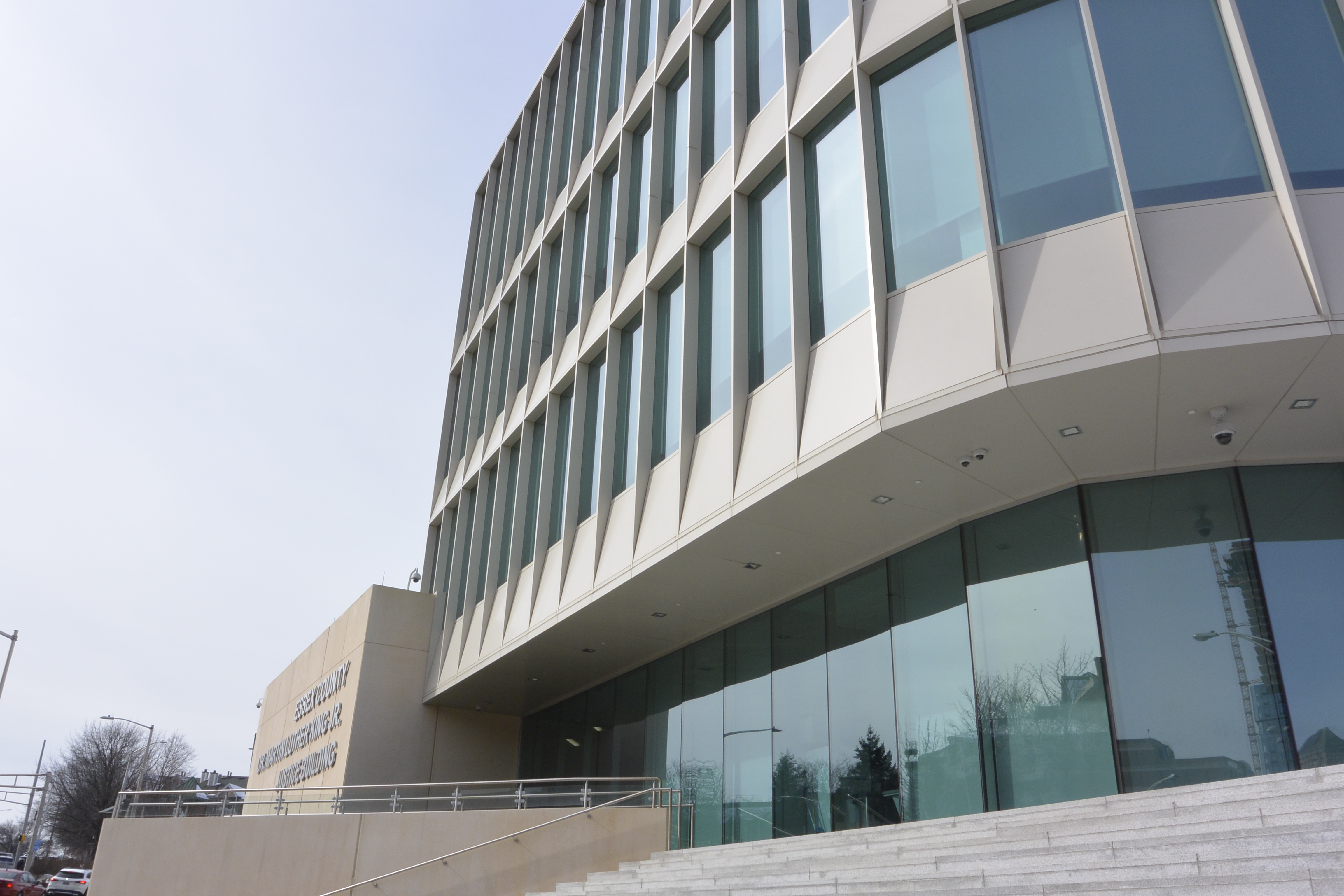
Celebrating an icon of liberty and unification, the Essex County Justice Building is a testament to the legacy of the Reverand Dr Martin Luther King Jr. A place for the community to come together, the design of the building needed to be both functional and inspirational. Custom ALPOLIC metal composite materials elegantly frame the ethereal glass, pre-cast concrete, and limestone facade rising from the courthouse steps. It was a successful project facilitated by material distributor Wieland.

When county executives in Newark, New Jersey came together during the planning and construction of their new justice building, they agreed easily on the question of whose name should grace the facility. The $77-million, 160,000-square foot project, completed in 2021, sits close to a plaza dedicated to Martin Luther King, Jr. According to Essex County Executive Joseph DiVincenzo, Jr., the connection between the renowned civil rights leader and the municipal building was a “natural fit.”

Essex_County_MLK_Justice_Building_1

Defining Design Harmony

Designed by Newark-based firm Comito Associates, The Martin Luther King, Jr. Justice Building houses more than10 state courtrooms and office and administrative spaces for various county departments. A pedestrian bridge connects the building to the county’s Hall of Records. Memorials outside and within the building include a bronze statue sculpted by Oregon artist Jay Warren, a video wall, and a mural depicting key moments in King, Jr.’s life.

Harmony with existing county buildings, in terms of color palettes and structure, loomed topmost in the design team’s mind. As the first new construction in the area in half a century, it was important for the justice building to align with its counterparts. In specifying materials, ALPOLIC MCM were a practical choice not only for their ease of fabrication to allow for cohesiveness in design but for their color matching abilities. ALPOLIC Diamond Dealer Wieland arranged for the fabrication of 19,000 square feet of a custom color, matching the limestone of adjacent buildings, for the extensive envelope.

Defining Relationships in the Design/Build Process

When it comes to the building process, the distributor is an often overlooked but key piece of a project’s success. Distributors support the process by bridging the gap between material manufacturers and customers, providing technical insight, and more. Despite the added challenges of the pandemic, the Justice Building project was completed without time loss in 13 months due to the successful collaboration of construction partners like Wieland.

As a distributor, Wieland’s involvement in securing the right materials for the Justice Building helped with the timely completion of the project. “Our organizations share the same commitments to service and environmental sustainability that make Wieland a proud distributor of ALPOLIC materials,” says Robert Todd, regional sales manager for Wieland.

Drawing on the architectural expertise of a distributor can also offer extended benefits to a customer. A distributor can provide increased buying power, giving the customer an opportunity to purchase all project materials in one place. “We can also offer stock and release programs which help to eliminate hold-ups on jobs due to gaps in material availability,” adds Todd.

Essex_County_MLK_Justice_Building

Forging Partnerships for Building Success

The high-quality products offered by ALPOLIC, along with their industry-leading and world-renowned reputation, were key factors in Wieland’s decision to develop a partnership. “Our longstanding relationship with ALPOLIC serves as an added benefit to our customers—especially those who are new to the world of MCM,” says Todd. For Comito Associates, the partnership also proved beneficial. The Essex County Justice Building received the Engineering News Record’s award for Best Government and Public Building Project of the Year in 2021, in the New York Regional category.