All posts by Brandon Cordoves

Benefits of Sheet Metal Roofing: A Complete Guide

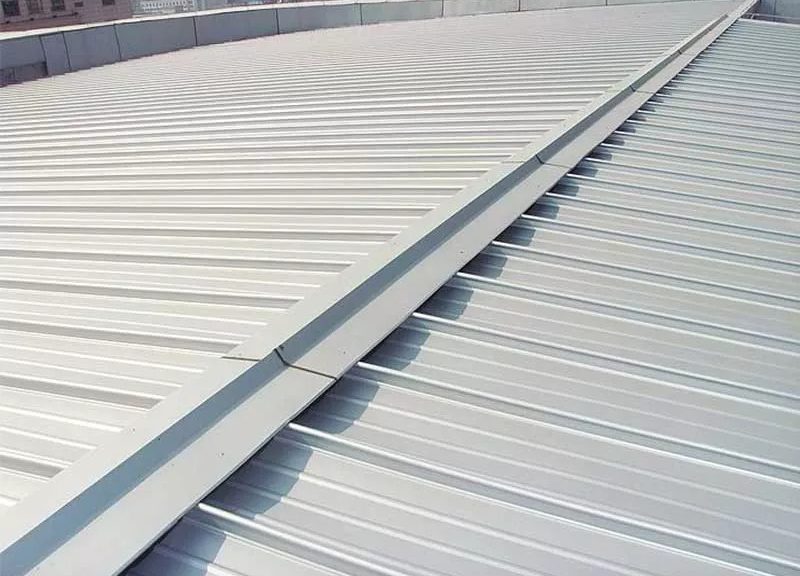
When it comes to roofing materials, sheet metal stands out as a durable and versatile option. From longevity to customization, here’s why sheet metal roofing is gaining popularity among homeowners and builders alike.

Durability That Stands the Test of Time

Sheet metal roofing is renowned for its resilience against harsh weather conditions. Its sturdy composition, often made from steel, aluminum, or copper, ensures longevity and protection for decades to come. With proper maintenance, sheet metal roofs can withstand extreme temperatures, heavy rainfall, and high winds, providing reliable shelter in any climate.

Enhanced Energy Efficiency

One of the significant benefits of sheet metal roofing lies in its energy-saving properties. Unlike traditional roofing materials such as asphalt shingles, sheet metal reflects solar heat, reducing the transfer of heat into the building. This reflective quality helps maintain comfortable indoor temperatures, ultimately lowering cooling costs during hot summer months. Additionally, sheet metal roofs are compatible with insulation materials, further enhancing energy efficiency and reducing utility expenses.

Versatility and Customization Options

Sheet metal roofing offers a wide array of design options to suit various architectural styles and preferences. Available in different profiles, colors, and finishes, homeowners have the freedom to customize their roofs to complement the aesthetic of their property. Whether opting for a sleek modern look or a rustic appeal, sheet metal provides versatility and flexibility for creative expression.

Minimal Maintenance Requirements

Compared to other roofing materials, sheet metal requires minimal maintenance, making it an attractive choice for homeowners seeking convenience and peace of mind. Routine inspections and occasional cleaning are typically all that’s needed to keep sheet metal roofs in optimal condition. With proper installation by experienced professionals, sheet metal roofing systems offer hassle-free upkeep and long-term performance.

Eco-Friendly Option

In an era of increasing environmental awareness, sheet metal roofing emerges as an eco-friendly alternative to traditional roofing materials. Made from recycled content and fully recyclable at the end of its lifespan, sheet metal minimizes waste and reduces the demand for new raw materials. Additionally, its energy-efficient properties contribute to lower carbon emissions, making it a sustainable choice for environmentally-conscious homeowners.

Conclusion:

From its unmatched durability to energy efficiency and design versatility, sheet metal roofing presents a compelling solution for modern construction and renovation projects. With its ability to withstand the elements, enhance energy efficiency, and offer customizable aesthetics, sheet metal roofing proves to be a wise investment for homeowners looking to elevate the functionality and curb appeal of their properties. Whether building anew or renovating an existing structure, consider the advantages of sheet metal roofing for a durable, efficient, and stylish roof that stands the test of time.

Delve deeper into the world of sheet metal roofing by exploring our blog for valuable insights and expert advice. Find out how this durable and versatile roofing option can elevate your home’s protection and style – start browsing now for all the details you need!
Uncover Versatile Aluminum Plate Sheets

Introduction:

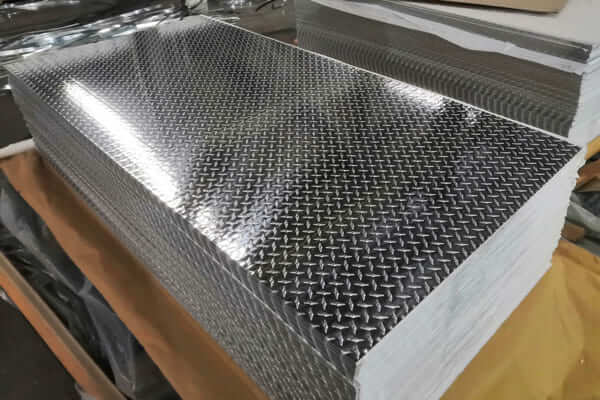
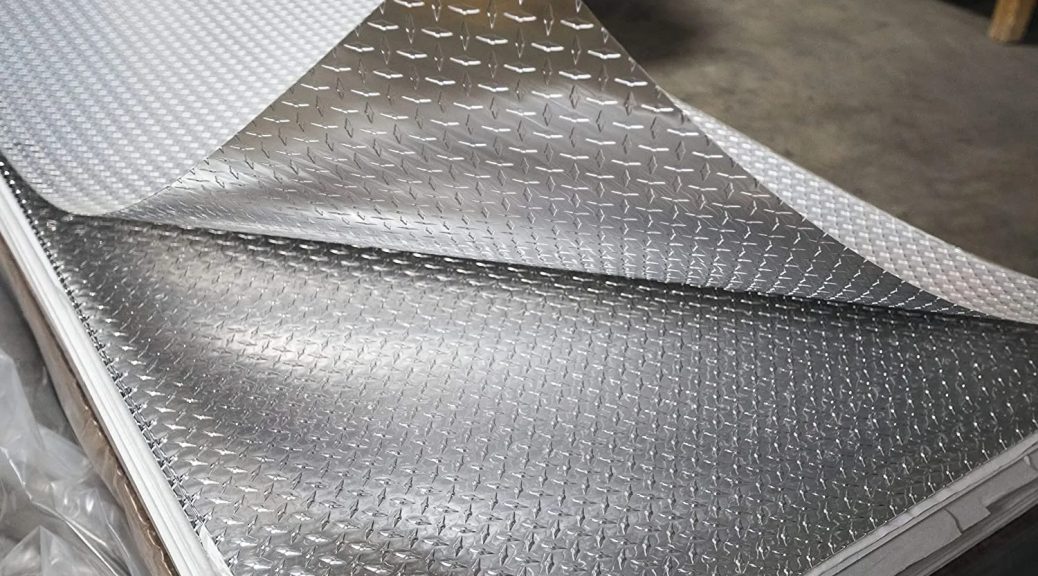
Aluminum diamond plate is a type of metal sheet characterized by its raised diamond-shaped pattern on the surface. This pattern not only enhances the visual appeal but also provides additional grip, making it suitable for various applications requiring slip resistance.

Durability and Strength

One of the key advantages of aluminum diamond plate is its exceptional durability and strength. Constructed from high-quality aluminum alloy, this material is resistant to corrosion, rust, and wear, ensuring long-lasting performance even in harsh environments.**3. Applications in Construction and Architecture and Aluminum diamond plate finds widespread use in the construction and architecture industries. It is commonly employed for flooring, stair treads, and wall panels in commercial and industrial settings due to its anti-slip properties and rugged construction.

Utility in Transportation and Automotive Sector

In the transportation and automotive sector, aluminum diamond plate is valued for its lightweight nature and resistance to damage. It is often used for truck beds, trailer floors, and vehicle body panels, providing both protection and aesthetics.

Decorative and Design Applications

Beyond its functional uses, aluminum diamond plate also serves decorative purposes in interior design and architecture. Its distinctive pattern adds a modern and industrial touch to spaces, making it a popular choice for wall cladding, furniture accents, and countertop surfaces.

Maintenance and Care

Maintaining aluminum diamond plate is relatively simple. Regular cleaning with mild detergent and water helps preserve its appearance and performance over time. Additionally, occasional polishing can restore its luster and shine, ensuring it continues to enhance the aesthetics of any space.

Conclusion

Aluminum diamond plate offers a winning combination of durability, versatility, and aesthetics, making it a preferred choice for a wide range of applications. Whether used for industrial flooring, automotive components, or decorative accents, this material delivers reliable performance and visual appeal. Embrace the advantages of aluminum diamond plate to elevate your projects and spaces with style and functionality.

Unleashing Brilliance: Diamond Plate Sheets

In the realm of industrial materials, diamond plate sheets stand out as a shining example of both form and function. These sheets, crafted from aluminum steel, boast a unique diamond-shaped pattern that not only enhances aesthetics but also offers unparalleled durability and versatility. Let’s delve into the world of diamond plate sheets to uncover their myriad applications and benefits.

Unraveling the Design: The Distinctive Diamond Pattern

At first glance, the defining feature of diamond plate sheets is undoubtedly their striking diamond-shaped pattern. This design not only adds a touch of sophistication to any surface but also serves a practical purpose. The raised diamond pattern provides enhanced traction and grip, making diamond plate sheets ideal for applications where slip resistance is paramount, such as industrial flooring, ramps, and stair treads.

Unyielding Strength: The Durability of Aluminum Steel

Diamond plate sheets are synonymous with strength and resilience, thanks to their construction from aluminum steel. This robust material is renowned for its exceptional durability and corrosion resistance, making diamond plate sheets suitable for both indoor and outdoor use. Whether subjected to heavy foot traffic or harsh environmental conditions, these sheets maintain their integrity, ensuring long-lasting performance and peace of mind for users.

Endless Applications: From Industrial to Decorative

One of the most appealing aspects of diamond plate sheets is their versatility. Beyond industrial settings, these sheets find application in a wide range of sectors, including automotive, architecture, and interior design. From sleek wall cladding to eye-catching signage, diamond plate sheets lend themselves to myriad creative endeavors, adding a touch of contemporary elegance to any project.

Effortless Maintenance: A Testament to Practicality

Despite their rugged appearance, diamond plate sheets require minimal maintenance to retain their luster. Routine cleaning with mild soap and water is typically all that’s needed to keep these sheets looking their best. This ease of maintenance further underscores their appeal, making them a practical choice for busy commercial environments where downtime is not an option.

Conclusion:

In conclusion, diamond plate sheets represent a fusion of style and substance in the realm of industrial materials. With their distinctive design, unrivaled durability, and versatility of applications, these sheets offer a multitude of benefits for various projects. Whether you’re seeking to enhance safety in a high-traffic area or add a touch of sophistication to your design scheme, diamond plate sheets are sure to exceed your expectations.

Ready to discover the endless possibilities that diamond plate sheets can offer? Visit Wieland today to explore our extensive range of aluminum steel products and unlock the brilliance of diamond plate sheets for your next project. From industrial solutions to decorative accents, Wieland has you covered with quality materials and exceptional service. Don’t miss out on the opportunity to elevate your projects – explore Wieland today!

Decoding Aluminum Differences

Aluminum, the unsung hero of our daily lives, quietly supports countless industries and products. Yet, beneath its seemingly uniform surface lies a world of diversity. In this article, we embark on a journey to uncover the distinctive traits of various aluminum types, decoding their differences in relatable terms.

Understanding Aluminum Alloys

Aluminum alloys, the backbone of modern engineering, are crafted by blending aluminum with other metals. These blends give rise to alloys with unique properties tailored for specific applications. From aircraft to kitchen utensils, each alloy serves a distinct purpose.

Strength vs. Flexibility: Exploring Aluminum 6061 vs. 5052

Aluminum 6061 stands tall for its impressive strength and weldability, making it a go-to choice for structural components in buildings and vehicles. Meanwhile, aluminum 5052 takes a different route, prioritizing flexibility and corrosion resistance, making it a staple in marine environments and food packaging.

Lightweight Champion: Aluminum 7075

Aluminum 7075 emerges as the heavyweight champion in the aerospace industry, boasting exceptional strength-to-weight ratio. Heat-treated to perfection, it safeguards aircraft and spacecraft without burdening them with excess weight, ensuring safe and efficient journeys through the skies.

Malleability Matters: Embracing Aluminum 1100

For applications demanding intricate designs and seamless forms, aluminum 1100 steps into the spotlight. Its unparalleled malleability allows it to bend and shape effortlessly, gracing architectural marvels and household essentials alike with its graceful curves.

Conclusion

In the bustling world of aluminum, diversity reigns supreme. By understanding the unique characteristics of each alloy, we gain insights into their myriad applications and contributions to our daily lives. Whether it’s strength, flexibility, or formability, there’s an aluminum variant tailored to meet every need.

Keen to delve deeper into the fascinating realm of aluminum alloys? Our website awaits, brimming with insightful articles and resources to satisfy your curiosity. Join us in unraveling the mysteries of aluminum and discover how this remarkable metal shapes the world around us. Visit our website today and embark on a journey of exploration and enlightenment!

Innovations in Aluminum Manufacturing: What’s New in 2024?

Welcome to the world of aluminum manufacturing innovations, where cutting-edge technologies and sustainability efforts are shaping the future. As we embark on this journey, it’s crucial to recognize the significance of staying informed about the latest advancements in the industry. From revolutionizing traditional manufacturing processes to pioneering eco-friendly initiatives, staying updated ensures that we remain at the forefront of innovation and sustainability. Join us as we explore the dynamic landscape of aluminum manufacturing in 2024 and beyond.

Overview of Aluminum Manufacturing

Aluminum manufacturing has undergone significant evolution since its inception, starting with the extraction of aluminum from its ore, bauxite, through the Bayer process. The extracted alumina is then converted into aluminum through electrolysis in smelting plants. Over the years, advancements in technology have optimized these processes for efficiency and sustainability, leading to reduced energy consumption and environmental impact. Today, aluminum manufacturing encompasses a range of techniques, including casting, extrusion, and rolling, to produce various products for diverse industries such as aerospace, automotive, construction, and packaging. Understanding these traditional processes and their evolution is fundamental to appreciating the innovations driving the aluminum industry forward.

Cutting-Edge Technologies in Aluminum Production

We delve into the forefront of aluminum production, where cutting-edge technologies like AI, IoT, and advanced robotics are reshaping the industry landscape. Through the integration of these innovations, processes are becoming more efficient, sustainable, and quality-driven. From AI-driven optimization of smelting operations to real-time monitoring enabled by IoT sensors and the automation of tasks with advanced robotics, these advancements are propelling aluminum manufacturing into a new era of productivity and competitiveness.

Sustainability and Eco-Friendly Advances:

Delves into the pivotal topic of sustainability and eco-friendly advances within aluminum manufacturing. It discusses innovative approaches aimed at minimizing the environmental footprint of aluminum production, including advancements in recycling technologies and energy-efficient smelting processes. By highlighting these initiatives, the section underscores the industry’s commitment to reducing its impact on the environment while striving for greater sustainability.

Material Innovations and Alloy Development

This section explores the realm of material innovations and alloy development within aluminum manufacturing. It sheds light on the latest advancements in alloy composition, focusing on creating materials that offer enhanced properties such as strength, lightness, and corrosion resistance. By discussing these innovations, the section underscores how they pave the way for new applications and solutions across various industries, driving further growth and evolution in the aluminum sector.

Applications of New Aluminum Innovations

The diverse applications of new aluminum innovations across industries. It elucidates how these advancements are revolutionizing sectors like automotive, aerospace, construction, and packaging. Through real-world examples and case studies, the section highlights the versatility and efficacy of innovative aluminum solutions in addressing industry-specific challenges and driving progress.

The Future of Aluminum Manufacturing

Explores the exciting prospects and potential breakthroughs anticipated in the future of aluminum manufacturing. It discusses emerging trends, such as advancements in nanotechnology and additive manufacturing, poised to reshape the industry. Additionally, the section examines the challenges and opportunities ahead, emphasizing the need for continued innovation and adaptation to propel aluminum manufacturing into a sustainable and prosperous future.

The rapid advancements in aluminum manufacturing underscore its pivotal role in various industries. From traditional processes to cutting-edge technologies, sustainability initiatives, and material innovations, the aluminum sector continues to thrive. By embracing these innovations, we ensure growth and sustainability in the industry for years to come.

Interested in learning more about aluminum sheeting for your next project? Contact Wieland today and receive a free quote!

Unveiling the Brilliance: Why Aluminum Sheets Stand as the Ideal Choice for Megastructure Facades

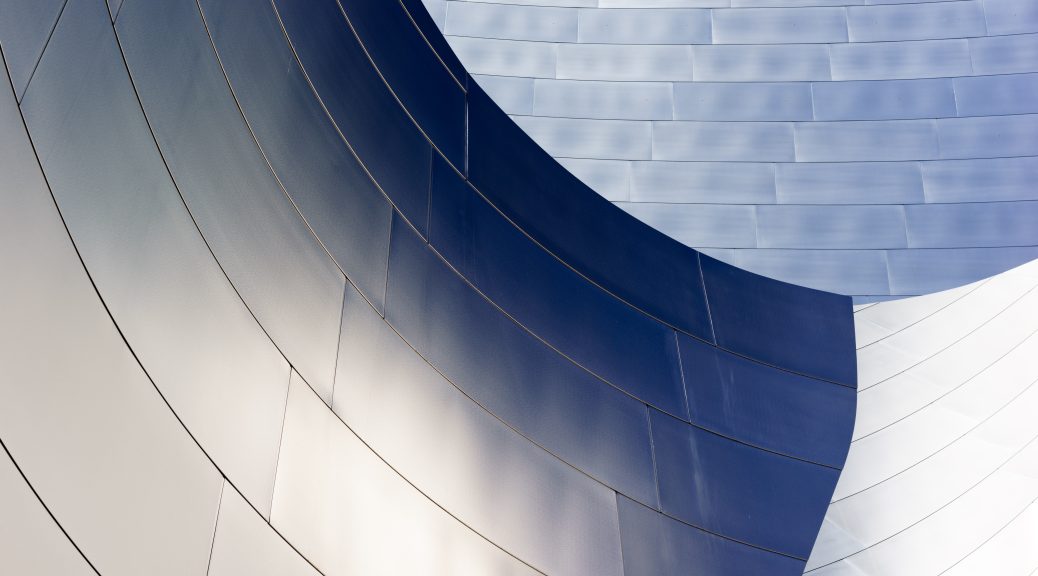
In the realm of modern architecture, megastructures are redefining skylines and pushing the boundaries of what is possible. One crucial element that plays a pivotal role in the success of these architectural marvels is the facade. Among the myriad of materials available, aluminum sheets emerge as the ideal choice for megastructure facades, offering a perfect blend of aesthetics, durability, and sustainability.

Aesthetic Versatility

One of the primary reasons aluminum sheets have become the darling of architects worldwide is their aesthetic versatility. Megastructures often demand innovative designs that captivate the imagination while seamlessly integrating with the surrounding environment. Aluminum sheets, with their malleability and ability to take on various forms, provide architects with a blank canvas to sculpt breathtaking facades.

The material’s sleek and modern appearance allows for the creation of smooth, unbroken surfaces or intricate patterns that can transform a building into a work of art. Additionally, aluminum sheets can be coated in a spectrum of colors and finishes, giving architects the freedom to explore a wide range of design possibilities. Whether it’s the reflective gleam of polished aluminum or the muted sophistication of an anodized finish, aluminum sheets offer a diverse palette for architects to play with.

Lightweight and Structural Integrity

Megastructures demand materials that can support the weight of the structure without adding excessive load. Aluminum, renowned for its lightweight properties, emerges as a star player in megastructure facades. The low density of aluminum ensures that the facade contributes minimally to the overall weight of the structure, enabling architects to push the boundaries of design without compromising on safety.

Despite its lightweight nature, aluminum boasts exceptional structural integrity. This makes it an ideal choice for megastructures, where the facade needs to withstand external forces such as wind, rain, and even seismic activity. The combination of lightness and strength not only simplifies the construction process but also enhances the overall performance and resilience of the megastructure facade.

Durability in the Face of the Elements

Megastructures are often subjected to extreme weather conditions, ranging from scorching heat to freezing cold, torrential rain to powerful winds. In this challenging environment, the durability of the facade material becomes paramount. Aluminum sheets, with their innate resistance to corrosion and rust, emerge as the perfect solution for megastructure facades.

The protective oxide layer that naturally forms on the surface of aluminum prevents deterioration caused by exposure to the elements. This inherent resistance translates to a longer lifespan for the facade, reducing maintenance costs and ensuring the megastructure maintains its aesthetic appeal for years to come. Additionally, the ease of cleaning and the ability to withstand UV radiation make aluminum sheets a practical and sustainable choice for megastructure facades.

Sustainability and Environmental Considerations

In an era where sustainability is a driving force in architectural decision-making, aluminum sheets shine as an environmentally friendly option for megastructure facades. Aluminum is fully recyclable without losing its structural properties, making it a sustainable choice that aligns with the principles of green building.

The recycling process of aluminum requires only a fraction of the energy needed to produce the material from raw resources, reducing the carbon footprint associated with its manufacturing. Opting for aluminum sheets in megastructure facades not only promotes the efficient use of resources but also contributes to the circular economy by encouraging the reuse of materials in the construction industry.

Adaptability and Ease of Installation

The adaptability of aluminum sheets facilitates ease of installation, a crucial factor in the construction of megastructures where time efficiency is often of the essence. The material’s malleability allows for intricate designs to be prefabricated off-site, streamlining the installation process and minimizing disruption to the surrounding environment.

Furthermore, aluminum sheets can be easily integrated with other building components, such as insulation and ventilation systems, contributing to the overall efficiency and functionality of the megastructure. The simplicity of handling and installing aluminum sheets not only saves time during construction but also reduces labor costs, making it a cost-effective choice for architects and builders.

In the grand tapestry of megastructure design, the facade serves as the face and identity of the structure. Choosing the right material is not just a matter of aesthetics but a decision that influences the structure’s longevity, performance, and impact on the environment. Aluminum sheets, with their aesthetic versatility, lightweight yet strong nature, durability, sustainability, and ease of installation, emerge as the ideal choice for megastructure facades.

As architects continue to push the boundaries of design, aluminum stands as a reliable ally, allowing them to transform their visions into monumental realities. In the marriage of form and function, aluminum sheets play a leading role in shaping the future of megastructure facades, embodying the perfect synergy between innovation and practicality. Interested in aluminum for your project? Contact Wieland today to receive a free quote!

How Hardcoat Anodizing Improves Corrosion Resistance in Metal Sheets

When it comes to metal sheets used in various applications, one critical aspect is their ability to withstand the damaging effects of corrosion. Corrosion can significantly impact the longevity and performance of metal components. This is where hard coat anodizing comes into play as a robust and effective solution. We will explore how hard coat anodizing enhances corrosion resistance in metal sheets and why it’s a preferred choice for numerous industries.


Understanding Corrosion

Before delving into how hard coat anodizing works its magic, let’s grasp the concept of corrosion. Corrosion is the natural process of metal deteriorating when exposed to environmental factors like moisture, salt, chemicals, or even pollutants. This degradation can lead to structural weaknesses, discoloration, and ultimately, the failure of metal components.


The Basics of Hardcoat Anodizing

Hardcoat anodizing, also known as Type III anodizing, is an electrochemical process that thickens the natural oxide layer on the surface of aluminum or other metals. This process makes the metal surface considerably more resistant to corrosion while offering additional benefits like improved wear resistance and thermal stability.


Here’s how the hard coat anodizing process works:

  • Preparation: The metal sheets are thoroughly cleaned to remove any contaminants and oxides from the surface.
  • Anodizing: The metal sheets are immersed in an electrolyte bath and subjected to an electric current. This causes the formation of an oxide layer on the metal’s surface.
  • Hard coating: Unlike conventional anodizing, hard coat anodizing creates a thicker and denser oxide layer. The thickness typically ranges from 1.5 to 3 mils.


The Role of Hardcoat Anodizing in Corrosion Resistance

  • Barrier Protection: The dense oxide layer formed during hard coat anodizing acts as a barrier between the metal and the environment. This barrier is highly effective in preventing moisture, salt, and other corrosive agents from reaching the metal surface.
  • Increased Thickness: Unlike standard anodizing, hard coat anodizing creates a much thicker oxide layer. This added thickness provides enhanced protection against corrosion and wear.
  • Chemical Stability: The hard coat anodized surface is chemically stable, which means it can withstand exposure to various chemicals and acidic substances without corroding. This makes it suitable for applications in industries where chemical resistance is essential.
  • Improved Adhesion: Hardcoat anodized surfaces are highly adhesive, which makes them suitable for applications where paint or adhesives need to bond effectively. This attribute further contributes to corrosion resistance.


Applications in Various Industries

Hardcoat anodized metal sheets find applications in a wide range of industries where corrosion resistance is critical. Some of the key sectors that benefit from this process include:

  • Aerospace: Aircraft components, including structural parts and aircraft skins, rely on hard coat anodizing for protection against the harsh conditions they encounter.
  • Military: Military equipment and hardware often undergo hard coat anodizing to ensure their longevity and durability in challenging environments.
  • Automotive: In the automotive industry, hard coat anodized metal sheets are used for components like pistons, cylinder heads, and suspension parts.
  • Construction: Metal sheets in construction applications, such as curtain walls and architectural panels, benefit from the improved corrosion resistance offered by hard coat anodizing.
  • Marine: The marine industry extensively uses hard-coat anodized metal sheets for boat parts, marine equipment, and offshore structures exposed to saltwater and moisture.


Why Choose Wieland for Hardcoat Anodized Metal Sheets?

Wieland, a renowned name in the world of metal manufacturing, is a trusted provider of hard-coat anodized metal sheets. The company’s expertise, state-of-the-art facilities, and quality commitment make it an ideal choice for businesses seeking durable and corrosion-resistant metal solutions.

Hard coat anodizing is a proven method for enhancing corrosion resistance in metal sheets. The thick, dense oxide layer it creates acts as a formidable shield against environmental factors, ensuring the longevity and performance of metal components. For industries where corrosion resistance is paramount, such as aerospace, military, automotive, construction, and marine, hard coat anodized metal sheets from a reliable source like Wieland are the way to go. If you’re in need of strong, metal sheets that won’t let you down, contact us today to get started.

What To Look For In A Sheet Metal Supplier

Factors to Consider Before Choosing a Commercial Sheet Metal Supplier

Choosing the right commercial sheet metal supplier is crucial for the success of any construction project. With numerous sheet metal suppliers in the market, it can be overwhelming to find the one that meets your specific needs and requirements. To ensure you make the best choice, there are several factors to consider before making your final decision.

What’s The Sheet Metal Supplier’s Reputation?

Firstly, you need to assess the reputation and experience of the sheet metal suppliers. Look for companies with a strong track record in delivering high-quality products and services. Check customer testimonials, online reviews, and ratings to get an idea of their customer satisfaction level. A reputable supplier will have a long-standing presence in the industry, as well as a portfolio of successful projects. For decades, Wieland has supplied hundreds of projects access the United States. With return customers and

How Far Are They?

Secondly, it is essential to consider the proximity of the sheet metal supplier. Ideally, you would want to choose a company that is located near your construction site. This will help to reduce transportation costs, ensure timely deliveries, and enable easier access for any on-site consultations or troubleshooting. Use search terms like “sheet metal suppliers near me” to find options that are convenient to you. Thankfully, Wieland offers country-wide shipping for all of its solutions with best-in-class shipping options.

What Sheet Metal Products Do They Supply?

Another important factor to consider is the range of materials offered by the supplier. The best sheet metal suppliers offer a wide variety of options, including aluminum, steel, copper, and more. This ensures that you can choose the material that best suits your project’s needs and specifications. Discuss with the supplier about the different materials they provide and inquire about the quality standards they adhere to.

What Can Your Supplier Do For You?

Additionally, the capacity and capabilities of the sheet metal supplier should be taken into account. Ensure that they have the necessary equipment, technology, and skilled workforce to handle your project efficiently. Look for suppliers who invest in modern machinery and have a team of experienced professionals who can provide expert guidance and fabrication services.

What Does The Sheet Metal Supplier Cost You?

Lastly, price is a crucial factor to consider. While cost shouldn’t be the sole determinant, it is essential to obtain quotes from multiple suppliers and compare them. Beware of suppliers who offer significantly lower prices as it may indicate compromising on quality. Opt for a supplier who offers competitive pricing while maintaining the highest quality standards, like Wieland.

Wieland Is Your Sheet Metal Supply Partner

Finding the right commercial sheet metal supplier requires careful consideration. Look for reputable companies with a proven track record, consider the proximity of the supplier to your construction site, assess the range of materials available, evaluate their capacity and capabilities, and consider pricing. By taking these factors into account, you can ensure that you choose a reliable and competent supplier who can meet your sheet metal requirements effectively. If you’re in need of a sheet metal supplier, look no further than Wieland-Wrisco. With over 100 years of experience supplying high-quality sheet metal throughout the US, we’re confident we can supply your project, too. Contact us today to receive a free quote!

The Benefits Of Using Anodized Aluminum In The Automotive Industry

The automotive industry is continuously evolving to meet the demands of consumers who seek high-performance vehicles with improved aesthetics and durability. One material that has revolutionized various applications in this sector is anodized aluminum. Anodizing is an electrochemical process that enhances the natural properties of aluminum, making it an ideal choice for various automotive components. Some key components include:

Lightweight and Fuel-Efficient Vehicles

One of the primary advantages of anodized aluminum in the automotive industry is its lightweight nature. Aluminum is significantly lighter than steel, reducing the overall weight of vehicles. Lighter vehicles consume less fuel, resulting in improved fuel efficiency and reduced emissions. Anodized aluminum allows automakers to strike a balance between performance and environmental consciousness, aligning with the industry’s pursuit of sustainable and greener technologies.

Enhanced Corrosion Resistance

Corrosion is a major concern for automotive manufacturers as it can compromise the structural integrity and aesthetics of vehicles. Anodizing aluminum forms a protective oxide layer on the surface, which greatly enhances its corrosion resistance. This oxide layer acts as a barrier, shielding the metal from environmental elements, such as moisture, salt, and chemicals. Consequently, anodized aluminum components can withstand harsh road conditions and have a prolonged lifespan, reducing maintenance costs for both manufacturers and vehicle owners.

Improved Aesthetics and Customization

Anodized aluminum offers an array of color options, allowing automotive designers to achieve unique and attractive finishes. Unlike painted surfaces, anodizing retains the metallic appearance of aluminum, giving vehicles a modern and sophisticated look. The process allows for easy customization, enabling automakers to match the colors of components to the overall design of the vehicle. This not only enhances the aesthetics but also helps in branding and creating a distinct identity for automotive manufacturers.

Electrical Insulation and Thermal Dissipation

Electrical components in modern vehicles require effective insulation to prevent short circuits and electrical malfunctions. Anodized aluminum’s non-conductive nature makes it suitable for housing sensitive electrical parts, offering protection against electrical interference. Moreover, anodized aluminum’s high thermal conductivity allows it to dissipate heat efficiently, preventing overheating in electronic systems and ensuring optimal performance.

Recyclability and Sustainability

Aluminum is one of the most recyclable materials on the planet, and anodized aluminum is no exception. The anodizing process does not introduce harmful chemicals, and the resulting oxide layer does not impact the material’s recyclability. This aligns with the automotive industry’s growing emphasis on sustainability and eco-friendly practices. Anodized aluminum components can be recycled and repurposed, contributing to a circular economy and reducing the industry’s carbon footprint.

The automotive industry is constantly seeking innovative materials to improve vehicle performance, efficiency, and aesthetics. Anodized aluminum has emerged as a game-changer due to its lightweight, corrosion-resistant, durable, and customizable properties. It offers numerous benefits to automakers, allowing them to produce vehicles that are not only fuel-efficient but also visually appealing, long-lasting, and environmentally friendly. As automotive technologies continue to evolve, anodized aluminum’s role will likely become even more prominent, revolutionizing the way we build and experience automobiles.

Wieland-Wrisco has been the leading supplier of aluminum, anodized aluminum, and various metal products in the U.S. for over 100 years. With best-in-class products, world-class experts, and the best lead times in the country, we’re confident we can assist you on your project. Contact us today so we can learn more about we can better assist you!

5 Advantages Of Anodized Aluminum over Steel

When it comes to construction materials, steel has long been a popular choice due to its strength and durability. It’s been a tried and tested material since the first skyscrapers were built—but does that mean it’s the best? Over the years, there have been a multitude of advancements in construction materials—anodized aluminum being one of them. Anodized aluminum has emerged as a viable alternative in many construction applications.

Lightweight and Easy to Handle

One of the most significant advantages of anodized aluminum in construction is its lightweight nature. Aluminum weighs about one-third of steel, making it much easier to handle and transport. This characteristic is especially beneficial in construction projects that require materials to be lifted or moved frequently. The reduced weight also leads to lower transportation costs, as less fuel is needed to transport aluminum compared to steel. Additionally, the lightweight property of anodized aluminum simplifies installation, reducing labor costs and overall project timelines.

Corrosion Resistance

Unlike steel, anodized aluminum possesses exceptional corrosion resistance. Aluminum naturally forms a protective oxide layer when exposed to oxygen, which prevents further oxidation and corrosion. This oxide layer can be further enhanced through the anodizing process, making the material even more resistant to corrosion. In construction projects, especially those in coastal or high-humidity areas, anodized aluminum’s resistance to rust and corrosion is invaluable, as it ensures the longevity and structural integrity of buildings and infrastructure over time.

Aesthetically Pleasing and Versatile

Anodized aluminum offers a wide range of finishes and colors, making it highly versatile in architectural and construction applications. The anodizing process allows for customization and can produce a smooth, attractive, and uniform appearance that enhances the visual appeal of buildings. Architects and designers can choose from a variety of anodized aluminum finishes to achieve their desired aesthetic, whether it’s a modern, sleek look or a more traditional appearance. This versatility of anodized aluminum enables construction projects to blend seamlessly with their surroundings and fulfill the vision of the project stakeholders.

Excellent Strength-to-Weight Ratio

While aluminum is lightweight, it still maintains impressive strength. Anodized aluminum possesses a high strength-to-weight ratio, meaning it can withstand heavy loads and structural stresses while being significantly lighter than steel. This characteristic makes anodized aluminum an excellent choice for constructing components such as support structures, beams, and facades. The combination of strength and lightweight properties allows architects and engineers to design efficient and sustainable structures, reducing material costs and environmental impact without compromising on strength or safety.

Lower Maintenance Requirements

Compared to steel, anodized aluminum requires minimal maintenance, which translates to reduced long-term costs. The anodized surface of aluminum is highly resistant to scratching, fading, and staining, resulting in a material that retains its appearance and integrity over time. Unlike steel, anodized aluminum does not require regular painting or surface treatments to prevent corrosion. This low maintenance requirement minimizes the need for ongoing repairs and refinishing, saving both time and money throughout the lifespan of a construction project.

Anodized aluminum offers several advantages over steel in construction. Its lightweight nature, corrosion resistance, versatility, excellent strength-to-weight ratio, and low maintenance requirements make it an appealing choice for architects, engineers, and construction professionals. By leveraging these advantages, projects can achieve cost savings, enhanced durability, and aesthetic appeal, making anodized aluminum a reliable alternative to steel in various construction applications. Anodized aluminum can be as large or as minor a player in your project as you need, offering a wealth of benefits not seen with any other building material. Contact Wieland-Wrisco today and learn how you can order the highest quality anodized aluminum sheets in the world!